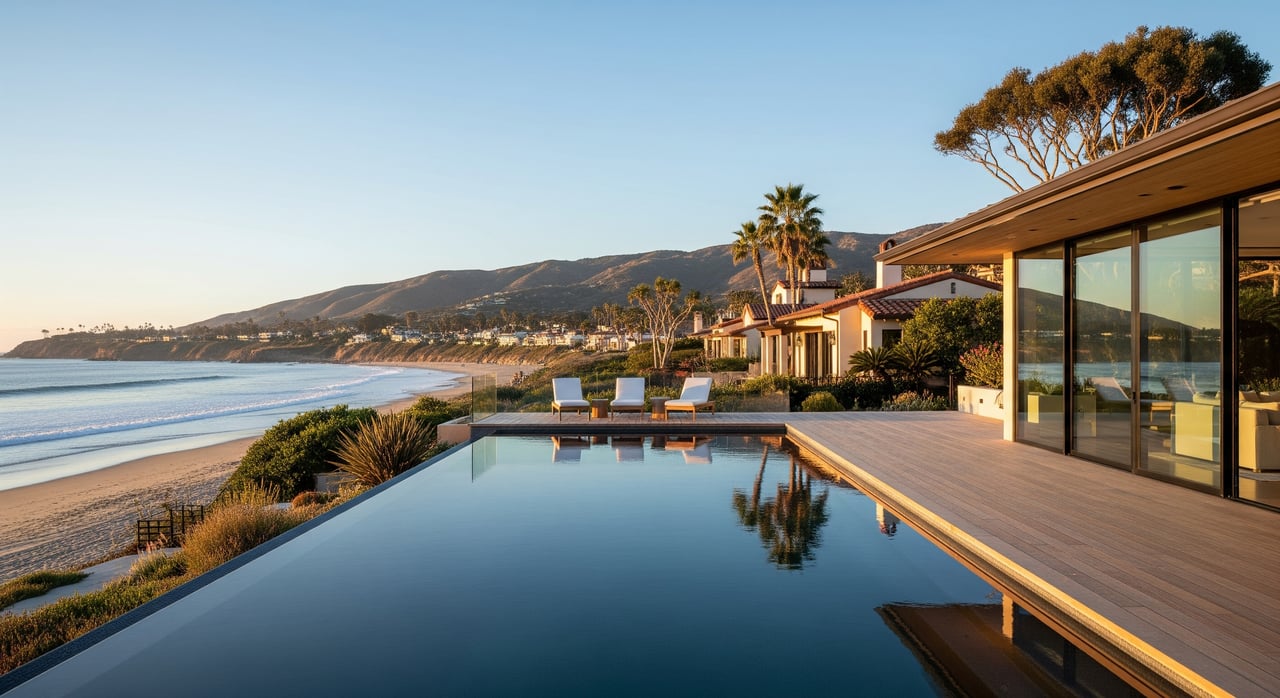
Beach mornings in Carpinteria can feel effortless, while foothill evenings glow with quiet views. If you are deciding between surfside living and a hillside retreat, the choice is more than a view. It is about microclimate, maintenance, access, and long-term risk. This guide walks you through the key differences so you can align your next move with your lifestyle and legacy. Let’s dive in.
Beach and foothills at a glance
- Beach: Milder temperatures, higher humidity, salt air exposure, easy beach access, more tourist activity in peak season.
- Foothills: Sunnier and drier, more temperature swing, greater privacy and lot size, higher wildfire and slope considerations.
- Both: Beautiful scenery, distinct maintenance needs, and specific insurance and permitting considerations.
Microclimate differences
Beach conditions
Coastal neighborhoods in Carpinteria sit under a stronger marine layer with higher humidity. You can expect more overcast mornings in summer, frequent onshore breezes, and occasional fog. Salt spray and marine aerosols travel inland depending on wind and topography, which can affect building materials and outdoor fixtures.
Oceanfront parcels also face long-term sea-level rise, coastal erosion, and periodic storm surge. Shoreline retreat varies by site, and storm seasons can change beach profiles that front private properties.
Foothill conditions
The foothills above Carpinteria feel more continental. You will see warmer summer highs, cooler nighttime lows, and larger day-to-night temperature swings. Humidity is lower, and the marine layer is less persistent than at the beach.
Local slopes matter. South-facing slopes are hotter and drier, while north-facing slopes retain more moisture. Wind can be stronger at ridgelines. These factors shape landscaping choices and wildfire vegetation management.
Maintenance and materials
Salt air near the beach
Salt accelerates corrosion on ferrous metals and can shorten the life of exterior finishes, railings, lighting, HVAC coils, and appliances. Homes closest to the shore often need more frequent painting and sealing. Outdoor kitchens, pool equipment, and hardware benefit from corrosion-resistant models and routine servicing.
Materials matter at the coast. Higher-grade stainless steel fasteners, proven coatings, anodized or non-corroding window and door frames, and marine-grade hardware perform better. Coastal-grade exterior paints and tighter repaint schedules are common.
Fire, slope, and access in the foothills
Foothill properties sit in higher wildfire hazard areas. Maintenance includes defensible space, brush clearance, ember-resistant vents, Class A roofing, and periodic vegetation thinning. These steps help reduce risk and support insurability.
Hillside sites also need good drainage and erosion control. Retaining walls, terraces, culverts, and swales should be maintained to reduce slope movement, especially after heavy rains. Longer or steeper driveways may require seasonal upkeep.
Practical inspection tips
- Ask for maintenance histories for exterior finishes, metalwork, HVAC condensers, and exposed appliances.
- Review paint and caulking schedules and roof records.
- For foothills, request documentation of recent defensible-space clearances and brush-management plans.
Landscaping and outdoor living
Coastal-friendly choices
Salt-tolerant plants, coastal natives, and Mediterranean species perform well near the shore. Hardy shrubs that handle wind and saline conditions keep gardens resilient. Favor non-metallic hardscape materials, composite decking, and stone to reduce corrosion.
Use drip irrigation with corrosion-resistant parts. Protect control boxes and backflow preventers from salt exposure to extend service life.
Foothill-friendly choices
Fire-wise, drought-tolerant plantings support defensible space and reduce irrigation demand once established. On slopes, terracing, erosion-control plantings, and careful stormwater management limit runoff and sediment. Native palettes inspired by chaparral and oak woodland can thrive with thoughtful establishment care.
Questions for sellers
- What species are in place and how have they performed season to season?
- How is the irrigation system configured and protected?
- For foothills, what is the defensible-space plan and service schedule?
Lifestyle and access
Beach lifestyle
You get immediate access to surfing, paddleboarding, and beach walks. Walkability is strong near downtown Carpinteria and beach access points. Summer months bring more visitors, which can affect parking and noise near popular stretches.
Foothills lifestyle
Foothill homes offer privacy, larger lots, and panoramic ocean or valley views. Outdoor living areas feel calmer and more secluded. You will drive more for beaches, errands, and dining, and some roads are steeper or winding.
Transportation and services
Carpinteria sits on the U.S. Highway 101 corridor and is served by regional rail at the Carpinteria station. Local bus routes connect nearby communities, though most residents rely on cars. Seasonal traffic peaks are common at the beach, and foothill access can be constrained during wildfire evacuations or severe weather.
Most urbanized neighborhoods have municipal water and sewer. Some remote foothill parcels may use private wells or septic systems. Verify the service setup for any specific address. Cell and broadband coverage can vary in the foothills, especially along ridgelines.
Regulation, risk, and insurance
Coastal permitting and shoreline limits
Development in the coastal zone is regulated, with special review for oceanfront parcels. Seawalls and shoreline armoring face strict scrutiny, and limitations may apply. New construction or major remodels near the shore often require coastal development permits and specialized geologic and engineering reports.
Sea-level rise, storm surge, and flooding are key considerations for oceanfront homes. Flood insurance availability and premiums reflect FEMA flood maps and site-specific elevations. Property owners may face restrictions on armoring, which affects long-term strategy.
Wildfire and slope risk in the foothills
Foothill and wildland urban interface areas carry elevated wildfire exposure. State fire hazard maps inform building requirements and defensible-space rules. Fire-resistant construction, ember-resistant vents, and ongoing vegetation management can improve resilience and influence insurance options.
Hillside sites benefit from current geotechnical assessments that address slope stability, drainage, and retaining structures. Post-storm inspections are wise where soils are sensitive.
Insurance due diligence
Insurance underwriting in higher-risk zones has tightened across California. Obtain early quotes for homeowners, flood, wind, and wildfire coverage. Documentation of risk mitigation, from Class A roofing to brush clearance, can support insurability and pricing.
Buyer checklist for Carpinteria
- Proximity to shoreline: distance and elevation. Any coastal hazard or erosion reports on file?
- Exterior systems: age and condition of metalwork, railings, HVAC condensers, and salt-exposed appliances.
- Paint and roof: recent paint, caulking, and roof maintenance records.
- Foothills defensible space: dates and documents for brush clearance and vegetation management.
- Utilities: municipal sewer and water vs septic and well. Any shared road or driveway agreements?
- Permitting: records of coastal development permits, armoring, grading, or retaining walls.
- Insurance: any non-renewals or premium spikes? Preliminary quotes in hand?
- Inspections: reports on corrosion, structural integrity, slope stability, and wood-boring pests.
- Access: how traffic behaves in peak beach season and during emergency events. Confirm evacuation routes.
Cost of ownership considerations
Coastal homes often budget for more frequent exterior painting, sealant work, and replacement of exposed fixtures. Mechanical systems near the shore may need shorter service intervals or corrosion-resistant upgrades. Landscaping near the beach can favor low-water, salt-tolerant species that reduce upkeep when thoughtfully designed.
Foothill homes typically budget for ongoing vegetation management, roof and vent upgrades that support fire resilience, and maintenance of drainage and access infrastructure. Irrigation needs vary by slope and exposure, with south-facing gardens requiring more attention in summer.
Which setting fits your vision
Choose the beach if you value walkability, daily ocean access, and a milder climate, and you are comfortable with salt-air maintenance and seasonal bustle. Choose the foothills if you prefer privacy, broad views, and a drier, sunnier microclimate, and you are ready to plan for wildfire and slope considerations.
The right choice supports the life you want now and the legacy you intend to build. If you want a tailored plan that aligns home, values, and long-term impact, we can help you weigh the tradeoffs and move forward with confidence.
Ready to explore specific properties and due diligence steps in Carpinteria? Live Your Vision — Start the Conversation with Monica Lenches.
FAQs
What microclimate differences should Carpinteria buyers expect between the beach and the foothills?
- Coastal areas are milder and more humid with marine layer and salt air, while foothills are sunnier and drier with larger day-to-night temperature swings.
How does salt air affect home maintenance near Carpinteria beaches?
- Salt accelerates corrosion on metal and can shorten the life of exterior finishes and HVAC equipment, so coastal homes often need more frequent painting and servicing.
What should I know about wildfire risk for Carpinteria foothill homes?
- Foothill properties are in higher wildfire hazard zones and benefit from defensible space, fire-resistant materials, ember-resistant vents, and ongoing vegetation management.
Do Carpinteria beachfront renovations need special permits in the coastal zone?
- Many oceanfront projects require coastal development permits and technical studies, and shoreline armoring is closely regulated with potential limitations.
How do utilities differ for remote Carpinteria foothill properties?
- Most urbanized areas have municipal water and sewer, but some foothill parcels may rely on private wells and septic systems, so verify service and maintenance history.
How should I plan for insurance on Carpinteria beach or foothill homes?
- Obtain early quotes for homeowners, flood, wind, and wildfire coverage, and document mitigation steps such as Class A roofing, defensible space, and drainage improvements.