
HOURBOOKS: A Local Publisher with Global Impact
A Conversation between Monica Lenches, Realtor, and Faye Cox, Founder, Hourbooks
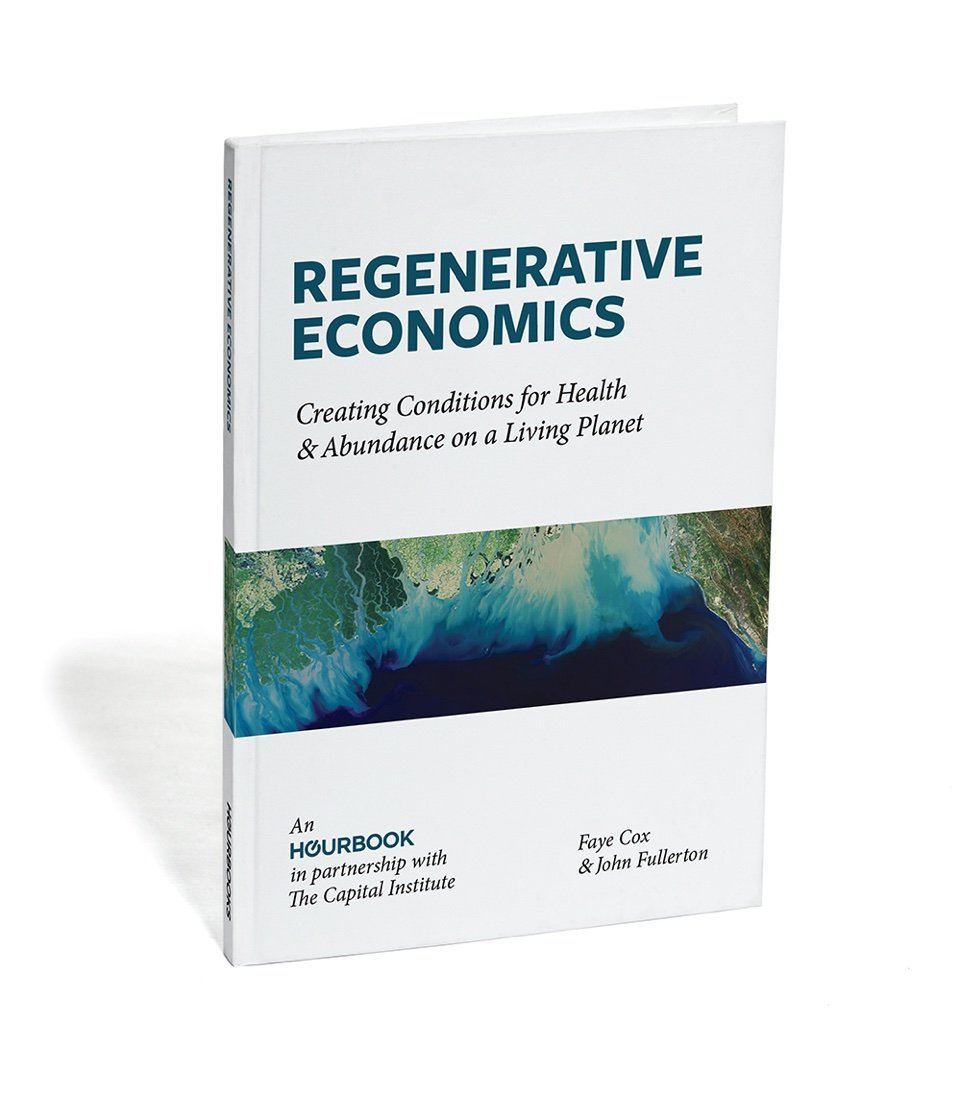
I know I wrote something similar in January and February, but these synchronicities just keep coming—and they feel deeply meaningful. I met Faye Cox at a networking event where she was sharing her brilliant, newly published book, Regenerative Economics. The moment she introduced herself, something felt familiar. As we talked, it clicked: just days earlier, I had been speaking with a dear friend about A Kinder World of Commerce, and she enthusiastically said I should meet a close friend doing similar work. I made a mental note to follow up if I didn't receive an introduction.
That friend turned out to be Faye Cox! And there we were, meeting in person—no scheduling or introduction needed. Faye’s book - and publishing company - are a powerful response to the critical time we’re in. The education it offers is responsibly sourced, deeply relevant, and wonderfully accessible. I couldn’t put it down.
ML: What led you to create Hourbooks?
FC: The idea of hour-long books on essential topics for this critical time on the planet came to me all at once: the name Hourbooks, the size, the why and the what — everything but the how.
With no background in publishing, I spent several years trying to give the idea away while I worked to change systems, from a “green village” in British Columbia to a sustainable living initiative in Santa Barbara. Slowly I realized that without an educated community, systems don’t change. And that Hourbooks was mine to do.
ML: What is Hourbooks' mission, and what core values guide the company?
FC: The mission is to create a series of books that makes transformative knowledge widely available at a time when we're facing critical challenges that threaten life on Earth. It is also a time when a new worldview is emerging. Recent breakthroughs in physics affirm that everything exists in relationship, yet our human systems — from economics to education — remain rooted in an outdated mindset of separation. We’re still focused on parts rather than the whole, when what’s now required is learning to think from the whole to the part. As Wendell Berry so eloquently reminds us: We have lived by the assumption that what was good for us would be good for the world. We have been wrong. We must change our lives so that we live by the assumption that what is good for world will be good for us.
What would our human systems be like if they were grounded in that worldview? That is what Hourbooks is here to serve by working with leading organizations to co-create the books, using our format and writing process. We also help find sponsors to fund the gifting of thousands of copies into key networks and communities.
Two of our core values are a commitment to truth in a time of disinformation and to trust in a time of extreme cultural division.
ML: How do those values show up in the way you run your business as a publisher?
FC: Our commitment to truth starts with this: for a topic to become an Hourbook, it has to pass through our gate. One pillar honors the best of our scientific understanding, which points to interconnection. The other honors the wisdom of our spiritual traditions, centered on care for the whole. Connecting those two pillars is the lintel: practical action in the world. Thus the gate makes scientific sense, spiritual sense, and common sense, and so it offers a framework that’s larger than political opinion or current trends.
This process builds trust which is reinforced by distributing the books as sponsored gifts. They then move through networks of relationship and trust, and across political divides.
ML: Tell us about the first Hourbook, Regenerative Economics: Creating Conditions for Health & Abundance on a Living Planet.
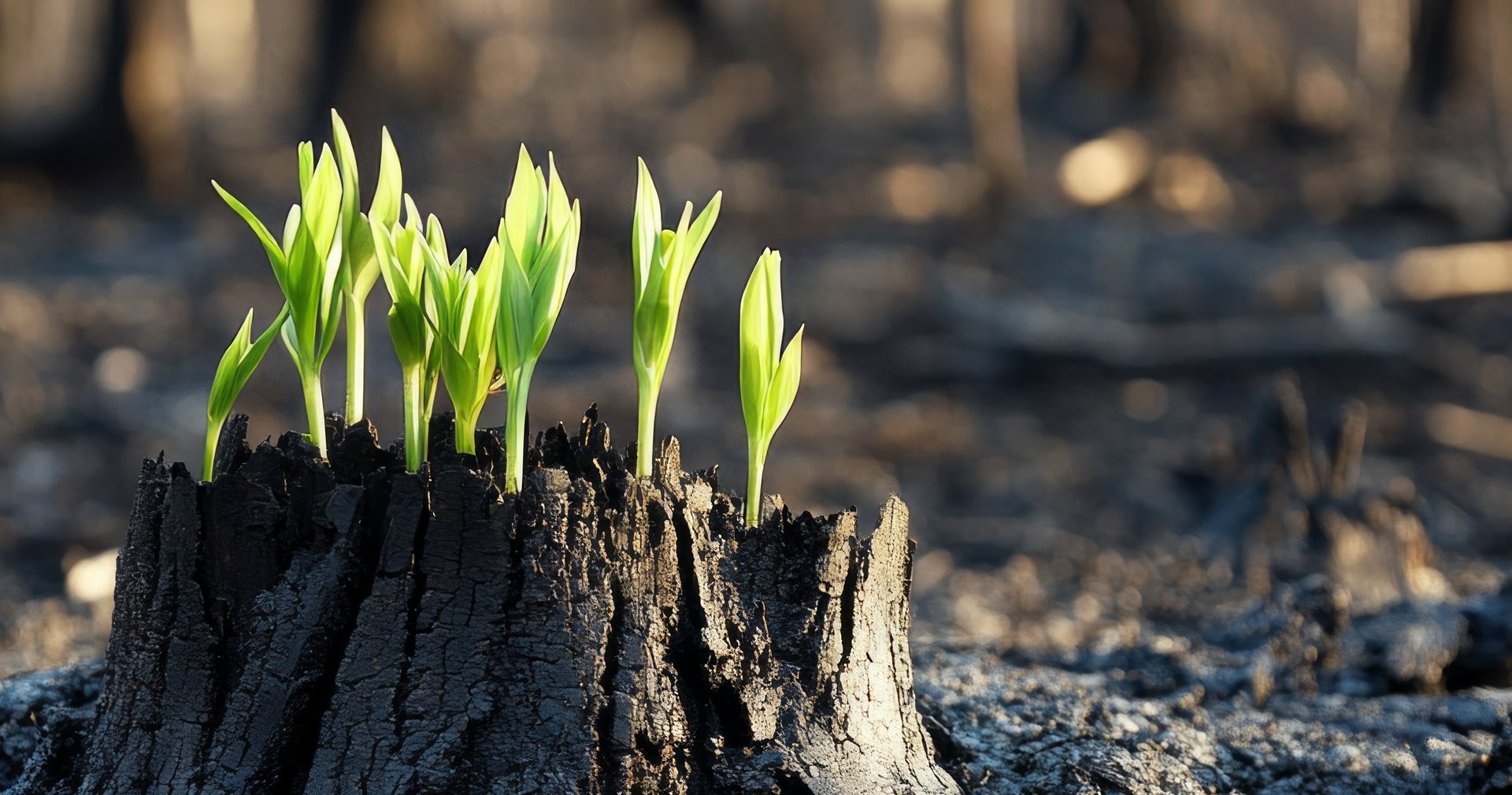
FC: The economy is the most powerful human system on the planet. Its theory and practice are still rooted in mechanistic science and so we continue to run our economy as if it were a machine. This is driving us where we don't want to go! Regenerative Economics is the idea that an economy is a living system, not separate from people and the planet. We now know a lot about how living systems work. Regeneration and life are inseparable.
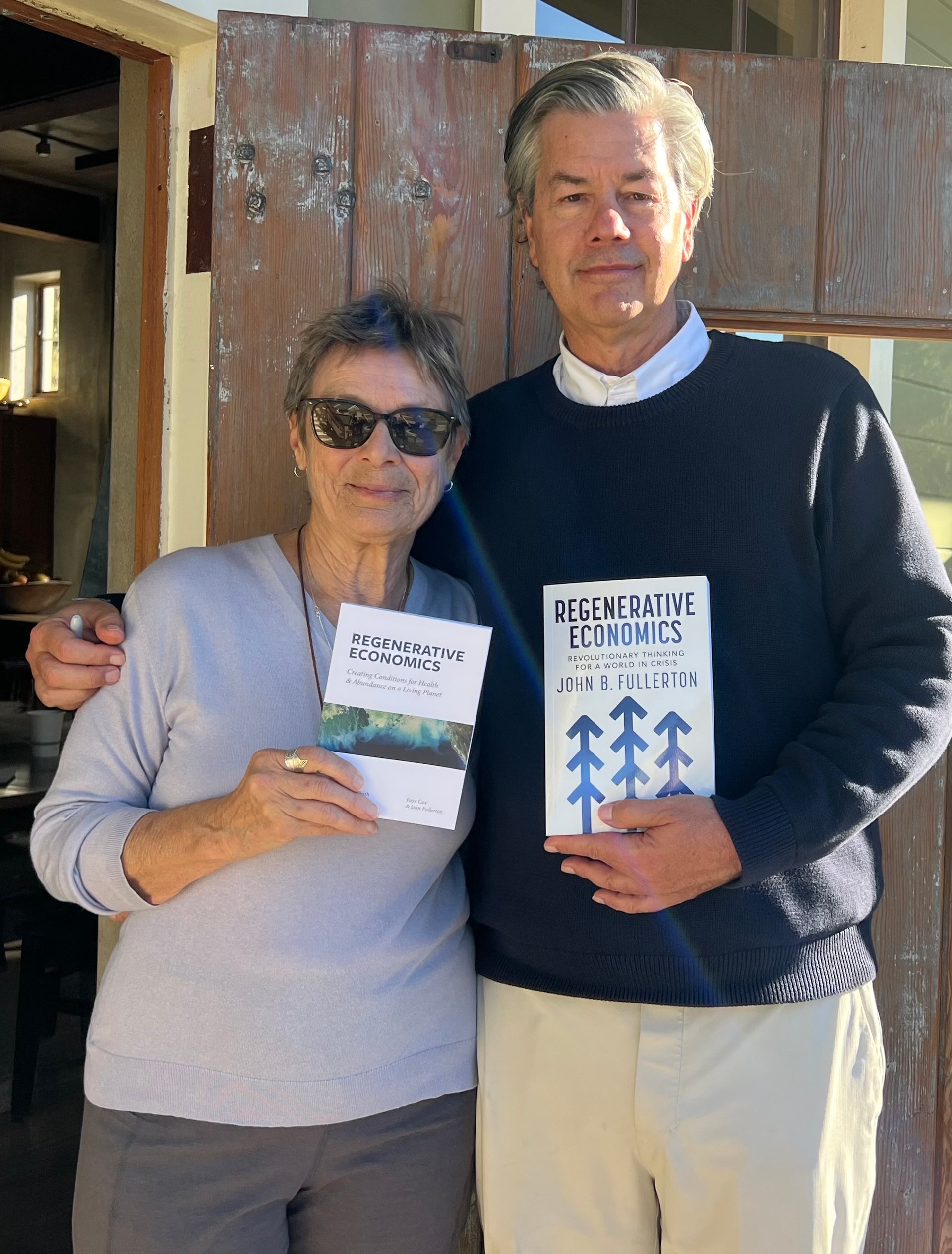
The book was created in partnership with John Fullerton, founder of the Capital Institute www.capitalinstitute.org. Its mission is to reimagine economics and finance according to universal patterns and principles of life that provide a reliable compass to unlock hidden potential and transform our economy. That's what regenerative systems do.
Faye Cox and John Fullerton
ML: Can you give us an idea what that compass might point toward?
FC: When we choose life as the basis for designing our economic systems, we move from extracting value to exchanging it, from silos to synergy, from fear of scarcity to an expectation of abundance, and from competition to cooperation across all levels and scales. We shift from trying to “solve” problems to creating the conditions for healthy networks as the foundation for shared prosperity. This is how life works!
ML: How can our audience participate in furthering your mission and sharing your book?
FC: To learn more, please visit www.hourbooks.com where you can find a summary of the book and become a sponsor of 10 books or more to share with your community.
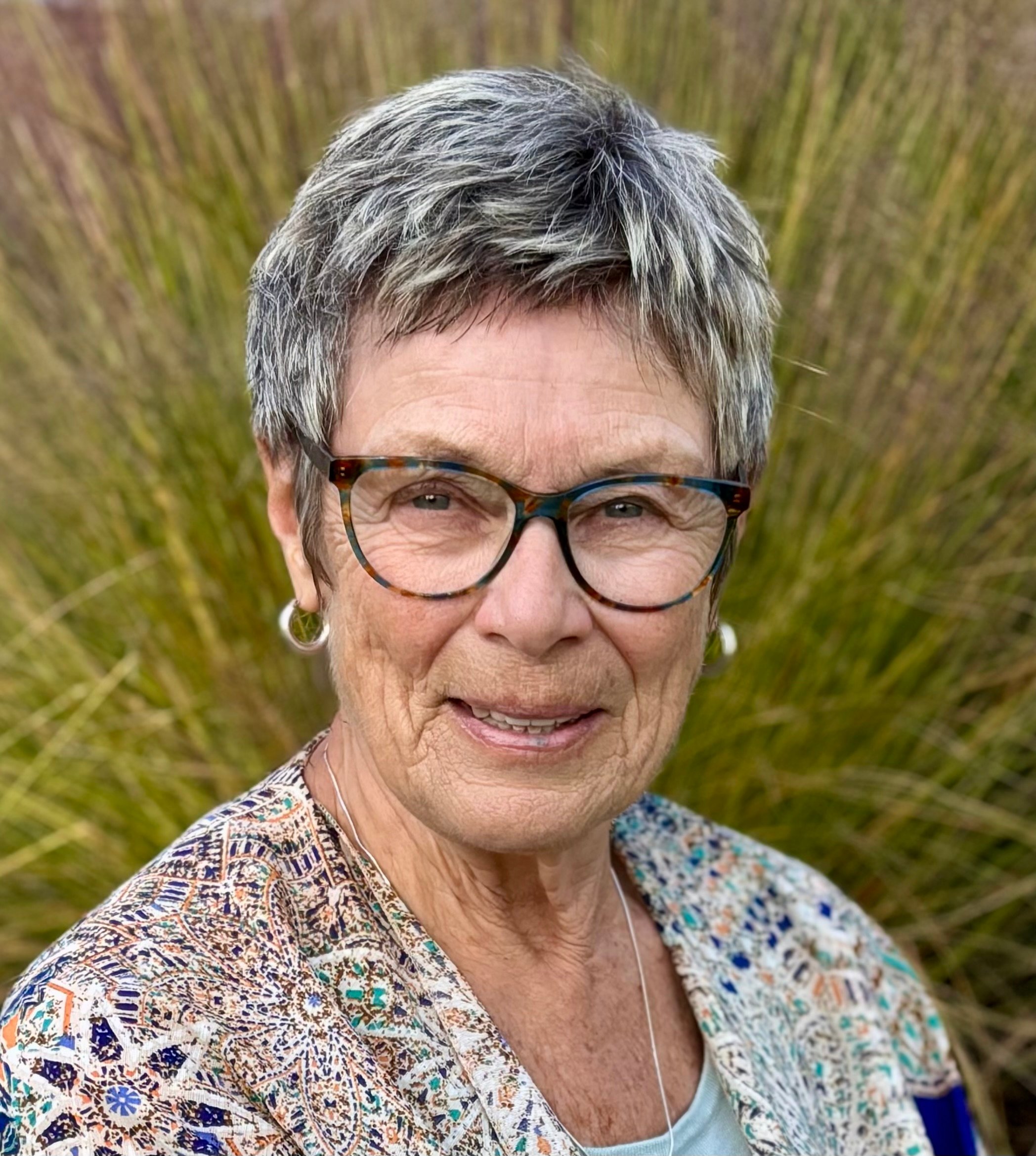 |
Faye Cox can be reached at
|