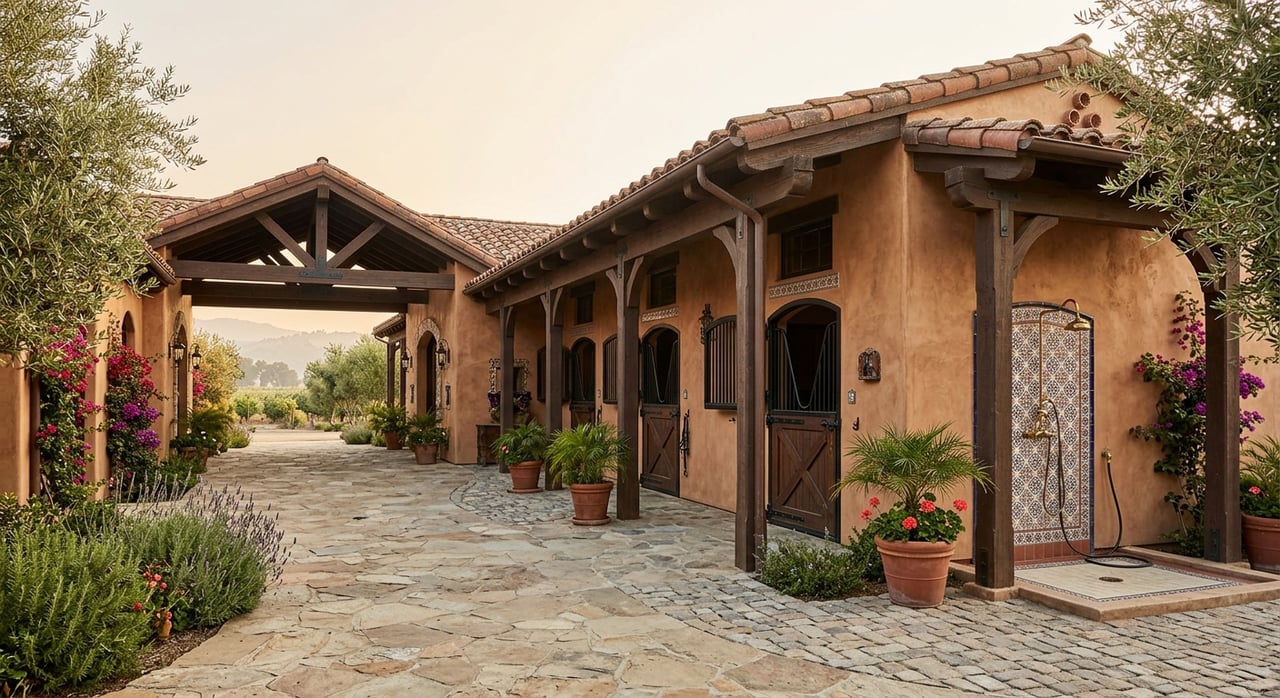
If you are searching for an equestrian property in Santa Ynez, one question matters more than almost anything else: does the land truly support the way you want to live with horses? In this part of Santa Barbara County, a beautiful barn or fenced pasture does not automatically mean the property is the right fit for your goals. When you understand zoning, water, infrastructure, and daily-use realities, you can make a more confident decision. Let’s dive in.
Why Santa Ynez horse properties need a closer look
Santa Ynez is not a typical suburban horse market. The Santa Ynez Valley is an unincorporated Santa Barbara County planning area with scenic pastoral character and a strong agricultural tradition, and county-level rules shape what a property can actually support.
That matters because a listing label like “horse property” is only a starting point. In Santa Ynez, horse suitability is parcel-specific, which means the exact lot, zoning, permit history, and water setup deserve careful review before you move forward.
Start with zoning, not the barn
The first practical step is to confirm the parcel’s exact APN, zoning, and any overlay that may affect use. Santa Barbara County also separates zoning lookup from Agricultural Preserve resources, so it is wise to check whether the parcel is under an Agricultural Preserve or Williamson Act contract.
This step helps you answer the questions that matter most: Are horses allowed, how many, and for what kind of use? Those answers can vary based on the zone, lot size, and whether the use is private, agricultural, or more intensive.
What county rules say about horse keeping
Santa Barbara County animal-keeping rules treat horses differently depending on the zone. In AG-I, horses and mules are allowed as exempt animal keeping, with a density of 1 animal per 20,000 square feet on lots under 20 acres. In RR zones, horses and mules are also shown as exempt with the same 1-per-20,000-square-foot standard on smaller lots.
The county code snippet also shows AG-II differently, with no numeric cap in that table. Still, the key takeaway is simple: you should verify the actual zoning on the parcel rather than assume one property works the same way as another nearby.
Private use and commercial use are not the same
A second layer of due diligence is understanding the intended use. County code distinguishes private horse use from public or commercial activity, and that distinction can change the permit path.
For example, in AG-I, commercial boarding and raising animals for members of the public requires a Conditional Use Permit. County horseback-riding standards also note that exempt operations are limited to 24 participants daily, cannot include new structures or additions that require planning permits, and cannot create new roads or trails. More intensive operations may require a land use permit.
Smaller parcels can be more restrictive
Not every Santa Ynez-area parcel offers the same flexibility. County standards state that in NTS zones, no stable, barn, or other enclosure for large animals may be placed on a lot under 20,000 square feet, and the code includes setback, drainage, and sanitary requirements.
Even where horses are allowed near homes, the county treats animal keeping as non-commercial and accessory to the dwelling unless the parcel is being used for an agricultural purpose. That is why the right question is not just whether horses are allowed, but whether the property supports your specific plan.
Verify every structure and improvement
A barn, arena, round pen, shelter, or fenced area may look established, but that does not confirm it was approved. County code states that no building or structure may be erected or maintained unless it is permitted in the zone and all required permits and licenses are obtained.
For buyers, this means you should verify permit history for all major improvements rather than assume existing features are legal because they are already on site. That review can help you avoid surprises after closing and gives you a clearer picture of what you are truly buying.
Water can define the property’s usefulness
In Santa Ynez, water is often the deciding factor in whether an equestrian property works well over time. The area sits within the Santa Ynez River Valley Groundwater Basin, and local agencies coordinate basin management under SGMA.
That broader context matters because water is not only a private property issue here. It is also part of a basin-level management system, which makes water availability and reporting more important during due diligence.
Look beyond the presence of a well
A well on the property is only part of the story. The basin management site says well owners should register wells and report production, and that all well production in the basin and Santa Ynez River alluvium area must be reported to the applicable GSA, the State Board, and the Santa Ynez River Water Conservation District.
From a buyer’s perspective, the real question is whether the water system can support your daily needs. That may include horses, wash racks, irrigated pasture, landscaping, and higher summer demand.
Private water systems require extra care
Santa Barbara County’s Environmental Health program says its Water Quality Program exists to protect public health by helping ensure small public and private water systems are safe and adequately available. County subdivision rules also allow the County to require technical information before a water supply permit is processed, including nearby well and contamination-source plots, well construction logs, water analyses, and engineering evidence that the underground basin can support development.
County subdivision rules also warn that if a lot is sold without an approved community water system, developing a private water supply is at the purchaser’s own risk and expense. That makes water review a core part of your buying strategy, not a box to check later.
Pasture, drainage, and manure management matter
A horse property has to function well day to day, not just look appealing at showing time. County animal-keeping standards require manure to be removed or stored so it does not create unsanitary conditions or contaminate surface or subsurface water.
The same standards require proper drainage and runoff control for enclosed corrals or barns. They also state that sedimentation on public roads, neighboring property, or drainage channels can make animal keeping a nuisance subject to abatement.
In practical terms, this means you should inspect how the property handles mud, runoff, manure storage, and seasonal wear. A manageable setup can make ownership smoother, cleaner, and more sustainable over time.
Daily-life fit goes beyond acreage
Many buyers focus first on acreage, views, or the charm of the setting. Those features matter, but daily function often comes down to infrastructure.
A useful equestrian property should support trailer turning, loading, driveway access, and routine movement around the site. It is also important to confirm whether the road and access points work well in wet weather and under emergency conditions.
Access and fire readiness deserve attention
County subdivision standards emphasize road networks that provide fire access and public evacuation, and they note that fire safety requirements may be imposed where needed. On rural parcels with private roads, long driveways, or multiple structures, that can be especially relevant.
Wildfire readiness is also part of large-animal ownership in Santa Barbara County. The County’s large animal preparedness resources and owner registry are designed to help responders know where animals are and what assistance may be needed for evacuation or sheltering.
For you, that means trailer access, safe routes, driveway width, and a realistic evacuation plan should be part of the property review from the start. These details support both everyday convenience and peace of mind.
Trail access can add real lifestyle value
For some buyers, the riding lifestyle is shaped as much by nearby access as by the property itself. In the Los Padres National Forest Santa Barbara Ranger District, Upper Oso serves as an entry point into the San Rafael Wilderness via the Santa Cruz Trail and includes 14 pipe corrals, piped water, flush toilets, a paved road, and an extra-large parking area for horse trailers.
Sage Hill also offers pipe corrals, piped water, and access to the Santa Cruz Trail network. If trail riding is a meaningful part of your vision, nearby access points like these can add practical value to the ownership experience.
A smart buyer checklist for Santa Ynez
Before you commit to an equestrian property, it helps to review the essentials in a clear order:
- Confirm the parcel’s exact zoning and any overlay status.
- Check whether an Agricultural Preserve or Williamson Act contract applies.
- Verify how many horses the parcel can support under the current zone.
- Clarify whether your intended use is private, agricultural, or something more intensive.
- Request permit history for barns, stables, arenas, shelters, round pens, and major fenced improvements.
- Review the water source, well registration, water quality, and whether the system is private, shared, or community-based.
- Inspect drainage, runoff paths, pasture condition, and manure handling.
- Test driveway access, trailer turning space, and emergency egress.
- Consider how the property fits your wildfire evacuation planning.
Why guidance matters in this market
Buying an equestrian property in Santa Ynez is about more than finding a beautiful ranch setting. It is about aligning land use, county rules, infrastructure, and your long-term lifestyle so the property truly supports your vision.
That kind of purchase benefits from careful, local guidance and a thoughtful process. When you approach the search with clarity, you are better positioned to choose a property that feels inspiring and works well in practice.
If you are exploring equestrian properties in Santa Ynez and want a calm, strategic approach, Monica Lenches offers a thoughtful, concierge-level experience designed to help you align your purchase with your lifestyle, values, and long-term goals.
FAQs
What should you check first when buying an equestrian property in Santa Ynez?
- Start by confirming the parcel’s exact zoning, overlay status, and whether any Agricultural Preserve or Williamson Act contract applies, because those factors shape what horse use is allowed.
How does Santa Barbara County zoning affect horse properties in Santa Ynez?
- Zoning affects whether horses are allowed, how many may be kept, and whether the use is limited to private accessory use or may require additional permits for more intensive activity.
Why is water such an important issue for Santa Ynez horse properties?
- Water affects daily horse care, wash areas, pasture irrigation, and long-term usability, and local basin management and reporting rules make water due diligence especially important in this area.
Should you verify permits for barns and arenas on a Santa Ynez equestrian property?
- Yes, because county code requires structures to be permitted in the zone and have required approvals, so existing improvements should be checked against the parcel record.
What daily-use features matter most on a Santa Ynez horse property?
- Key features include trailer access, driveway width, turning space, drainage, manure handling, road reliability, and a workable wildfire evacuation plan for horses and other large animals.