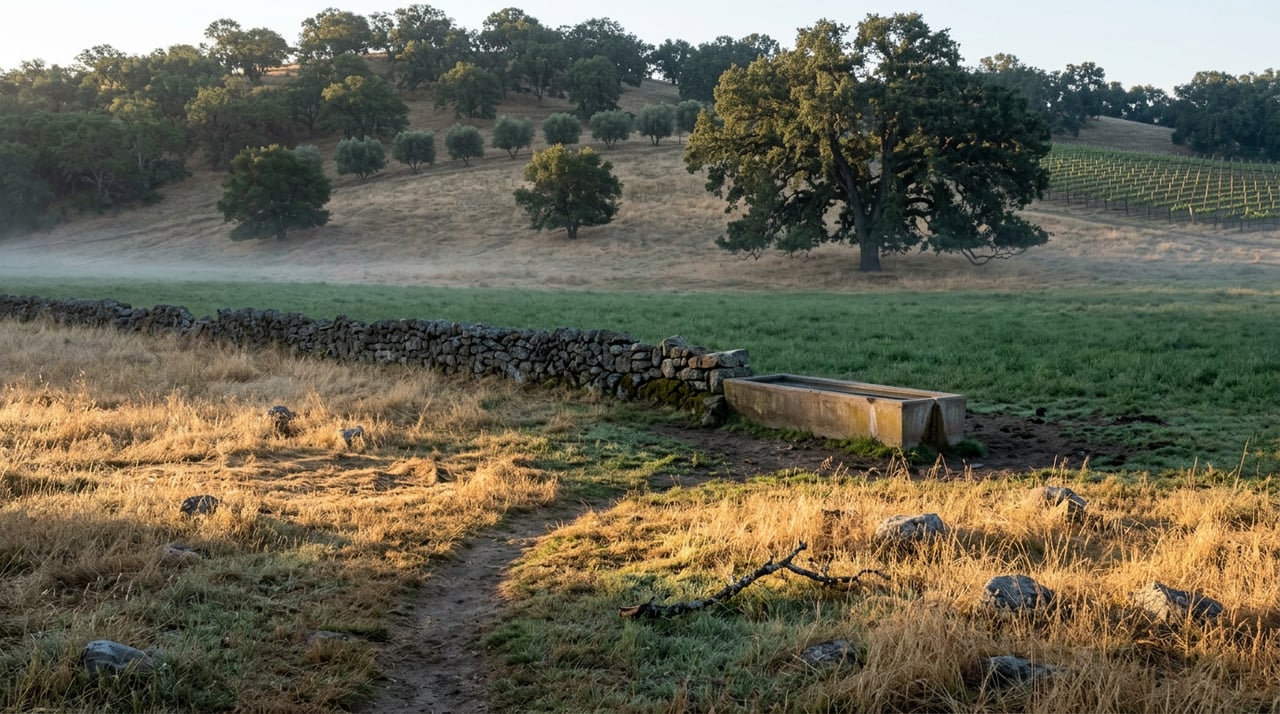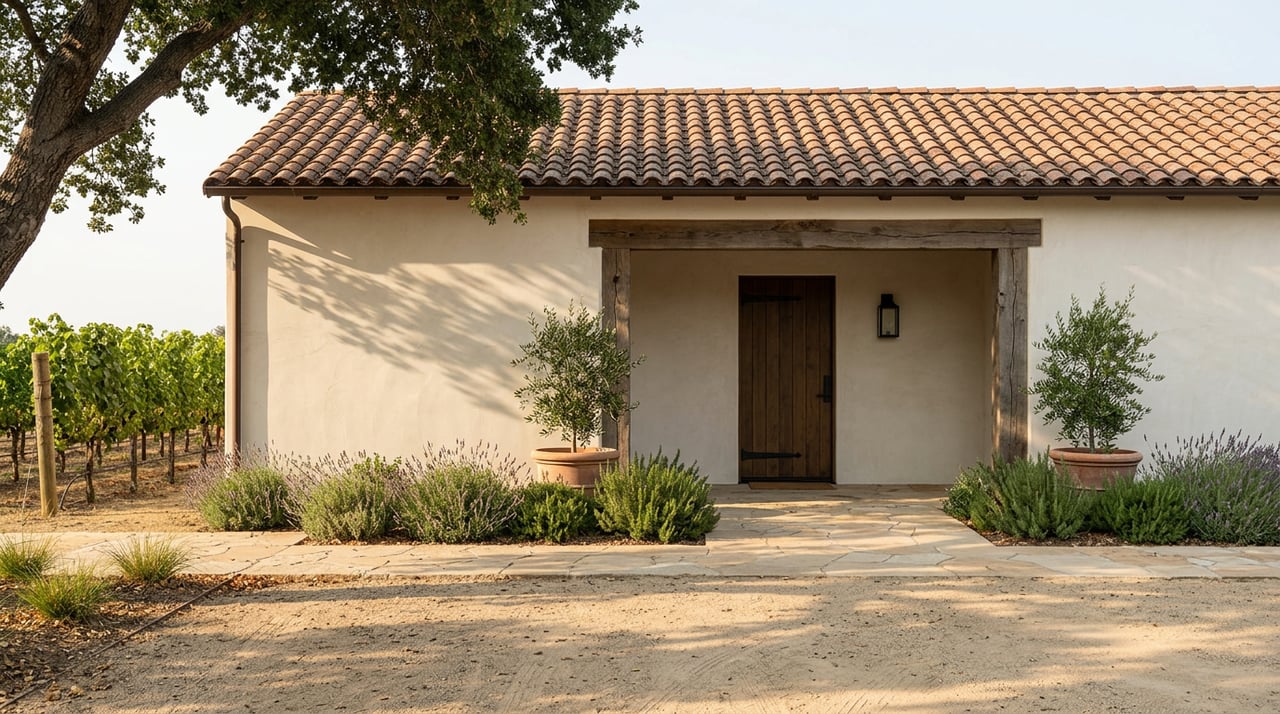
Imagine waking to golden light over rolling hills, horses in the pasture, and a vineyard row waiting for its first pruning. If you are drawn to the Santa Ynez Valley for its quiet, beauty, and working‑land heritage, you are not alone. Designing a ranch lifestyle here means aligning your vision with the land, water, and local rules that shape daily life. This guide shows you how to translate a dream into a clear plan, complete with due diligence steps and local resources. Let’s dive in.
Clarify your vision and scale
Start with how you want to live and work on the land. Your day‑to‑day goals will guide the right property type and acreage.
- Ranchettes or country estates: 5 to 40 acres for privacy, horses, and hobby vines. Easier to manage, limited for large agriculture.
- Working ranches and grazing properties: tens to hundreds of acres for livestock, hay, and open‑space stewardship.
- Estate vineyards or mixed ag‑recreation holdings: acreage tailored to production goals and mechanization.
- Legacy estates or conservation holdings: 100 acres and up for multi‑generational plans or preservation.
Match property size to long‑term family and legacy goals because parcel consolidation or subdivision is limited by county planning and, in some cases, agricultural preserve contracts. Site character also matters. Flatter terraces that allow tractors support larger vineyards and simpler access. Canyons and benchlands can be beautiful and productive for grazing or specialty vines, but they add complexity for roads, erosion control, and utilities.
Know the local framework
The Santa Ynez Valley lives at the intersection of country life and thoughtful land stewardship. The Santa Ynez Valley Community Plan and County planning area define what you can build and how agricultural land is used. Agricultural zoning can include low residential densities and specific use limits that vary by parcel. Always verify the exact zoning, any Agricultural Preserve or Williamson Act contracts, and recorded easements before you set your plan.
If you imagine a tasting room, farmstay, small events, horseback activities, or on‑site food service that is incidental to agriculture, review the County’s Agricultural Enterprise Ordinance. Final adoption occurred in late 2024, with inland provisions effective January 10, 2025. The AEO expands small‑scale agritourism options under set standards that protect rural character.
Water is the foundation
In the Santa Ynez River basin, groundwater is the primary water source. The basin operates under California’s groundwater law, and local Groundwater Sustainability Plans outline management and monitoring. Many areas also interact with the region’s surface‑water system and the Cachuma Project operating rules. Your feasibility and long‑term costs depend on how your parcel taps into this picture.
Practical water checks
- Request well completion reports, recent pump tests, and historic well logs. Ask neighbors about typical depths and yields.
- Test water quality for nitrate, TDS, and any location‑specific contaminants.
- Confirm whether the parcel is in a water district or has any exchange, storage, or entitlement arrangements tied to surface water.
- Read the local GSP for your management area so you understand monitoring and potential future measures.
Septic, kitchens, and wastewater
Most rural parcels rely on on‑site wastewater systems. Standards are set through the State OWTS Policy and administered locally. If you plan additional bedrooms, a commercial kitchen, event facilities, or food service, factor septic capacity and permitting into early design. Start with percolation testing and a soils evaluation. For rules and when higher‑flow systems involve the regional board, see the Central Coast Water Board’s septic and LAMP guidance.
Agritourism that fits the land
If hosting guests is part of your vision, the County’s Agricultural Enterprise Ordinance clarifies small‑scale, agriculture‑tied uses such as farmstays, tasting‑room food service that is incidental, horseback riding, farm stands, and limited events. Standards address size, frequency, parking, and wastewater to keep agriculture first. Review them with your planner before you model revenue or commit to improvements.
Wildfire‑ready by design
The valley’s beauty comes with wildfire risk. Landscape, access, and building siting should reflect CAL FIRE defensible space standards, including the ember‑resistant zone from 0 to 5 feet, then zones out to 100 feet or the property line. Insurers and lenders often look for hardened access, turnouts, and clear zones around structures. Local resources from the Santa Barbara County Fire Department can help you plan for response times and on‑site readiness.
Soils, AVAs, and siting vines
Vineyards succeed where soils, slope, and microclimate align. The valley’s recognized wine appellations reflect real differences in elevation, soils, and thermal patterns. Study AVA distinctions in the Santa Ynez region to understand macro patterns, then test your specific soils and frost exposure with a viticulturist. Expect site‑specific irrigation and frost strategies, with mechanization decisions guided by slope and row layout.
Operations planning that holds up
Ground truth your business model before you buy. Build budgets for water and energy, labor, feed and fertilizer, equipment, insurance, and ongoing wildfire maintenance. For perennial plantings, plan for a multi‑year establishment period before meaningful yields. Local technical communities, including the Santa Barbara Vintners network, can connect you with growers, advisors, and operational benchmarks.
Your permitting path
A typical path includes a pre‑application meeting with County Planning and Development, well feasibility with a licensed driller and DWR records review, soils and percolation testing with Environmental Health, grading and erosion control permits for site work, building permits, and any agritourism or conditional use approvals under the AEO. The Community Plan and County planning pages are your primary references for permitted uses and design standards.
Your due diligence checklist
Use this to frame your offer timelines and contingencies.
- Water: pull DWR well completion reports, get a recent pump test, test water quality, confirm any water‑district or exchange participation, and read the local GSP.
- Septic and soils: order a county site evaluation and percolation test sized to your intended use, and review local LAMP and OWTS thresholds if you plan to expand load.
- Zoning and entitlements: verify zoning and General Plan designation, check for Agricultural Preserve contracts, easements, road maintenance agreements, and any recorded use restrictions that affect building or agritourism.
- Fire and access: identify your assigned fire station, plan ingress and egress improvements, budget for defensible space, and verify county road and turnout standards for large vehicles.
- Agritourism and business uses: if you plan farmstays, tasting rooms, limited events, small processing, or horseback activities, review AEO standards and any state licensing that applies. Factor wastewater capacity into the plan.
- Operations: estimate annual operating costs, from water and power to labor and insurance, and model multi‑year timelines for vines or trees to reach production.
Designing your ranch lifestyle in Santa Ynez is equal parts vision and due diligence. When you align scale, water, soils, access, and the right mix of agritourism or production, your daily rhythm can feel both peaceful and purposeful. If you want a partner who will help you map life and legacy goals to the right property and team, we would be honored to guide you through a tailored, concierge process. Start a confidential conversation with Monica Lenches.
FAQs
What types of ranch properties can you find in the Santa Ynez Valley?
- Options range from small ranchettes for horses and hobby vines to large grazing ranches, estate vineyards, and legacy holdings with conservation or multi‑generation goals.
How do local rules shape what I can build on ag land?
- County zoning and the Santa Ynez Valley Community Plan set allowed uses, densities, and design standards, so verify parcel zoning and any agricultural preserve contracts before you plan.
What should I confirm about water before buying a ranch?
- Treat groundwater as primary, review GSPs, pull well reports and pump tests, test water quality, and confirm any water‑district participation or surface‑water exchange arrangements.
Can I host farmstays or small events on my ranch?
- The Agricultural Enterprise Ordinance allows defined agritourism uses that are incidental to agriculture, with standards for size, frequency, parking, and wastewater that vary by proposal.
How do wildfire requirements affect ranch design and insurance?
- CAL FIRE defensible space rules guide landscaping and setbacks, while driveway width, turnouts, and hardened structures influence both safety planning and insurance readiness.
What should vineyard buyers focus on when selecting a site?
- Match soils, slope, and microclimate to your varietal and mechanization plan, and expect site‑specific irrigation and frost strategies informed by local viticulture expertise.