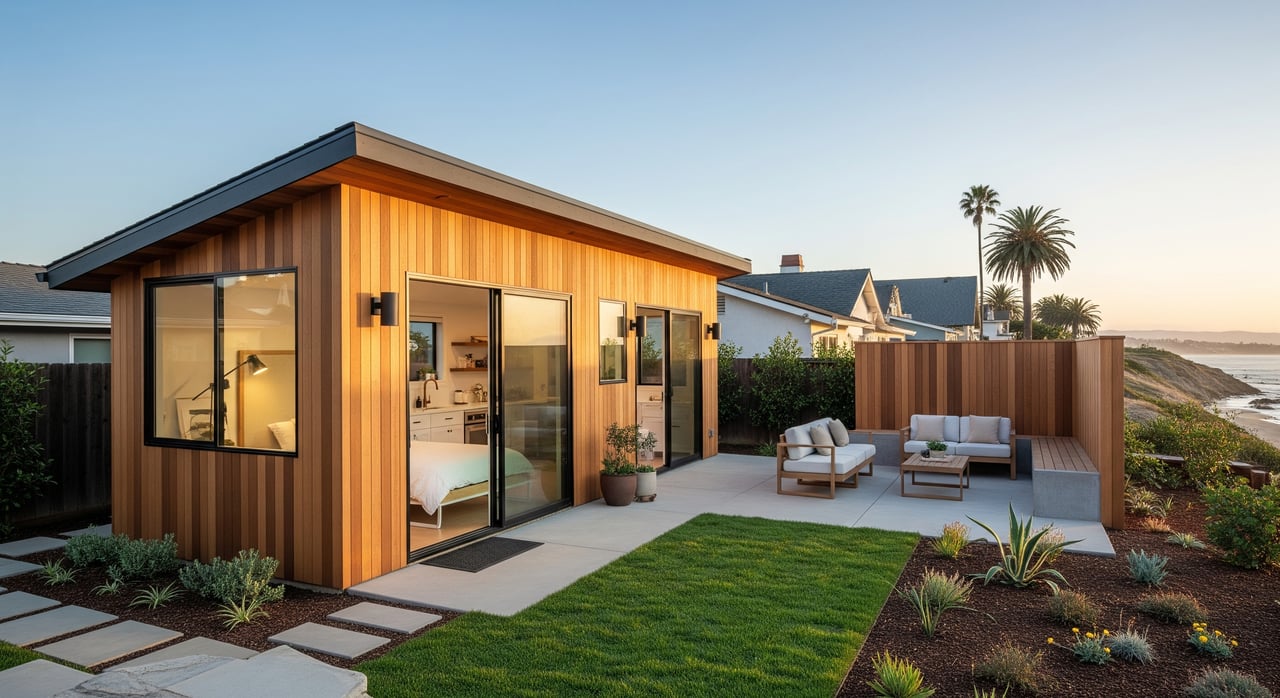
Thinking about adding an ADU to your Carpinteria property, or buying a home with space to build one? You are not alone. ADUs can unlock flexible living, steady income, and future resale appeal. In a coastal city like Carpinteria, the right plan matters. In this guide, you will learn how permits work, what to budget, how long it takes, and smart ways to use an ADU here. Let’s dive in.
ADU basics in Carpinteria
California law encourages ADUs by streamlining approvals and reducing some local restrictions. In Carpinteria, many parcels sit within the California Coastal Zone. That means state ADU rules still apply, but coastal policies and local conditions can add steps or studies. Your site’s sewer access, slope, bluff proximity, and fire risk all shape what is feasible.
A quick conversation with City planning and building staff helps you confirm what types of ADUs are allowed on your lot and whether coastal review applies. If your property is outside city limits, contact Santa Barbara County Planning and Development.
Permits and approvals
Start with a pre-application check
Begin with a preliminary review with the City of Carpinteria Planning and Building Department. Share a basic site plan, your ADU concept, and questions about zoning, setbacks, height, and lot coverage. This early step helps you spot any coastal or infrastructure triggers before you invest in design.
Coastal zone and CDP basics
Many Carpinteria addresses lie in the coastal zone. Some ADUs can be approved ministerially if they meet the Local Coastal Program. Others may require a Coastal Development Permit with public review. Whether you need a CDP depends on site specifics such as location near bluffs, visual resources, and access. City staff can advise on your parcel and process.
Zoning and site checks
Confirm:
- Allowed ADU type: conversion, attached, or detached.
- Setbacks, height, and lot coverage, including how your main home impacts available area.
- Driveway and fire access, and any parking considerations consistent with state rules.
- Sewer versus septic, and whether existing systems can support a new unit.
Studies you may need
Common documentation includes:
- Site plan with topography, setbacks, utilities, and all structures.
- Sewer or septic verification and capacity.
- Geotechnical report for slopes, unstable soils, or coastal bluff proximity.
- Drainage and grading plan if you plan new foundations or retaining walls.
- Fire-safety measures and, if applicable, sprinklers or vegetation management in higher fire hazard zones.
- Energy compliance under Title 24.
- Coastal Development Permit materials if required.
Typical timelines
- Internal conversion with no exterior changes: about 4 to 12 weeks for plan check and approval.
- Attached or small new detached ADU with ministerial review: about 2 to 6 months.
- Detached ADU on coastal or hillside sites with CDP and reports: about 6 to 12 months or more.
- Construction: about 2 to 6 months for small units, longer for larger or complex sites.
Local delays to avoid
- Coastal Development Permit hearings when ministerial approval is not possible.
- Sewer capacity upgrades or new connections through the Carpinteria Sanitary District.
- Geotechnical and bluff stability work that adds time and cost.
- Fire access, sprinklers, and defensible-space requirements in higher hazard areas.
- Short-term rental rules if you plan STR use; verify before you design around that strategy.
Costs and budgeting
Major cost buckets
Plan for:
- Design and pre-construction: architect or designer, engineering, permits, and any coastal or planning fees.
- Site work and foundation: grading, retaining walls, drainage.
- Building shell: framing, roofing, windows, exterior finishes.
- Mechanical, electrical, and plumbing: HVAC, water heater, electrical upgrades, and sewer connection.
- Interiors: cabinetry, flooring, fixtures, and appliances.
- Utility and impact fees: sewer and water connections, and any applicable school or park fees.
- Soft costs and contingency: inspections, financing, and a contingency reserve.
Typical ranges
Costs vary by site, size, and finish level:
- Per-square-foot construction: roughly $250 to $500+ in California coastal markets.
- Small ADUs around 300 to 600 square feet: about $100,000 to $300,000 total.
- Detached ADUs around 600 to 1,000 square feet: about $200,000 to $500,000+.
- Complex coastal or hillside sites can exceed these figures due to specialized foundations and engineering.
Fees and hookups
Plan-check and permit fees can range from a few thousand to tens of thousands based on valuation. Sewer and water connections vary widely. Some smaller ADUs under 750 square feet may qualify for limited fees under state law. Confirm fee schedules and any exemptions with City planning and the Carpinteria Sanitary District early.
Financing options
Homeowners often use:
- Cash-out refinance or a HELOC.
- Construction loans or ADU-specific products.
- Personal loans or savings.
- Select regional programs or grants, when available, for certain ADU types.
Obtain multiple contractor bids and early utility fee quotes before finalizing a budget.
Smart ADU uses in Carpinteria
Long-term rental
In a desirable coastal community, well-designed ADUs can support strong long-term rental demand. Long-term leases tend to be more predictable than short-term rentals. Factor in maintenance and management to estimate net income.
Multigenerational living
ADUs provide privacy and proximity for family, caregivers, or guests. Thoughtful design supports aging in place while preserving flexibility for future resale.
Home office or studio
A separate workspace can enhance productivity and work-life boundaries. Confirm any zoning limits on commercial activity and design for sound, light, and storage.
Resale and marketability
ADUs often increase overall appeal and widen the buyer pool by offering income potential and flexible space. Buyers appreciate options for guests, work, or future rental use.
Short-term rentals
Many coastal cities regulate STRs. Do not assume STR use is allowed. Check current City policies or permit requirements before building around this use case.
Quick-start checklist
- Verify if your address is in the city or the unincorporated county.
- Confirm coastal zone status and whether a Coastal Development Permit may be required.
- Contact the Carpinteria Sanitary District about sewer capacity and connection fees.
- Assess site factors: slope, setbacks, utilities, parking, and fire access.
- Define your primary use case and confirm any related local rules.
- Request a pre-application meeting with City planning and building.
- Get early ballpark budgets from a designer and two contractors, and include a 10 to 20 percent contingency. Increase the contingency on coastal or geotechnical sites.
- Plan for Title 24 energy compliance and any fire-safety requirements.
How we help
Building an ADU in Carpinteria is a strategic move when it aligns with your life and legacy goals. Our team pairs senior market expertise with a coaching-led process to clarify your vision, assess feasibility, and coordinate the right partners. Through our concierge Total Real Estate Experience, you gain curated introductions to trusted architects, builders, lenders, and sustainability advisors. We manage the details with care, so your ADU supports your broader plan for home, family, and impact.
If you are weighing whether to add an ADU or to buy a property where one makes sense, start with a conversation. We will help you map the path, from concept to construction to long-term use.
Ready to explore your ADU options in Carpinteria? Connect with Monica Lenches to align your project with your vision and values.
FAQs
Do I need a Coastal Development Permit for an ADU in Carpinteria?
- It depends on your site. Some ADUs can be approved ministerially under the Local Coastal Program, while others need a CDP. City planning staff can confirm your parcel’s path.
How long does ADU permitting take in Carpinteria?
- Simple conversions can take 4 to 12 weeks. Attached or small detached ADUs commonly take 2 to 6 months, while coastal or hillside projects with a CDP can take 6 to 12 months or more.
What does an ADU cost near Carpinteria?
- Small projects often total $100,000 to $300,000, and larger detached units around 600 to 1,000 square feet often run $200,000 to $500,000 or more, depending on site and finishes.
Can I use an ADU for short-term rentals in Carpinteria?
- Do not assume. Many coastal communities restrict or permit STRs separately. Verify current City rules before planning for vacation rental income.
Will a septic system support an ADU near Carpinteria?
- If you are on septic, you must verify capacity and local health requirements. An ADU can trigger system upgrades or require a sewer hookup if available.
How do I estimate ADU rental income in Carpinteria?
- Gather local rent comps for studios and one-bedrooms, factor in vacancy and maintenance, and consider property management costs to estimate net income.