If Hope Ranch keeps calling your name, you are likely drawn to privacy, natural beauty, and a calmer way to live in Santa Barbara. You may also be wondering how the community actually works, what it costs to maintain, and what to watch for before you buy. This guide walks you through governance, amenities, water and septic realities, wildfire readiness, pricing context, and a practical buyer checklist so you can move forward with clarity. Let’s dive in.
Hope Ranch at a glance
Hope Ranch is an upscale, largely residential enclave on the coast just west of the City of Santa Barbara. It sits in unincorporated Santa Barbara County and was first developed in the 1920s, which is why you see historic Spanish architecture alongside modern estates. For background on the community’s origins and governance context, see the overview on Wikipedia.
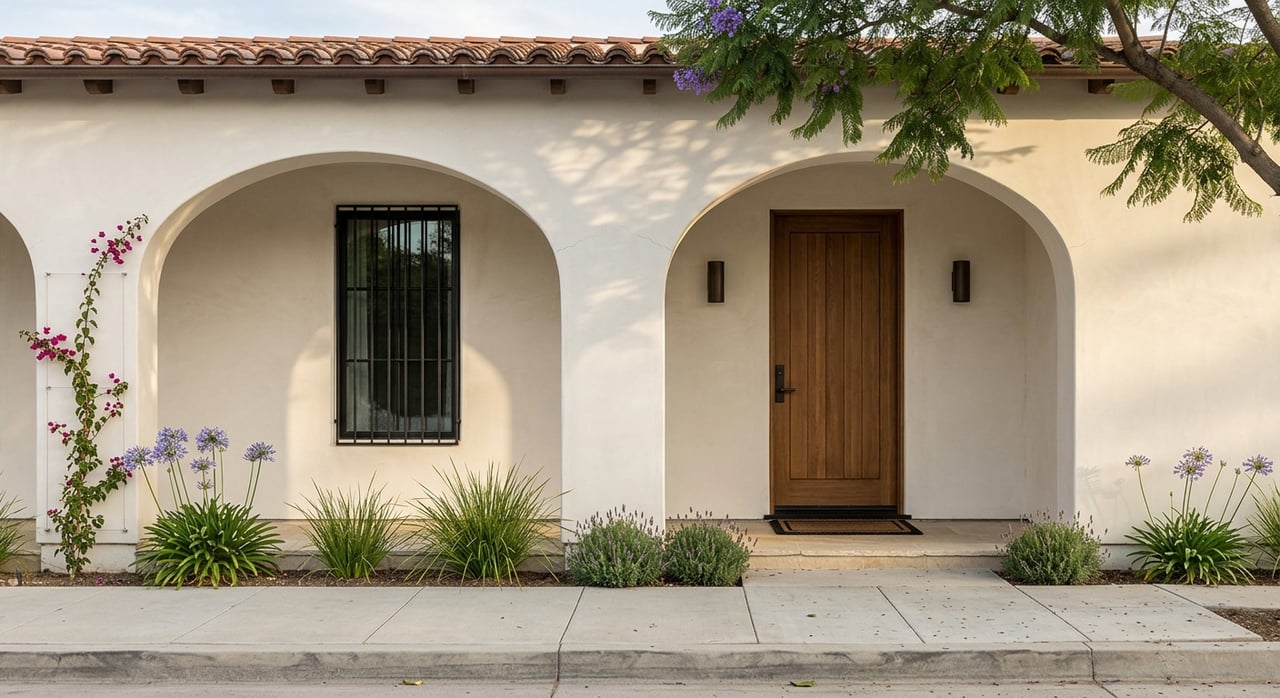
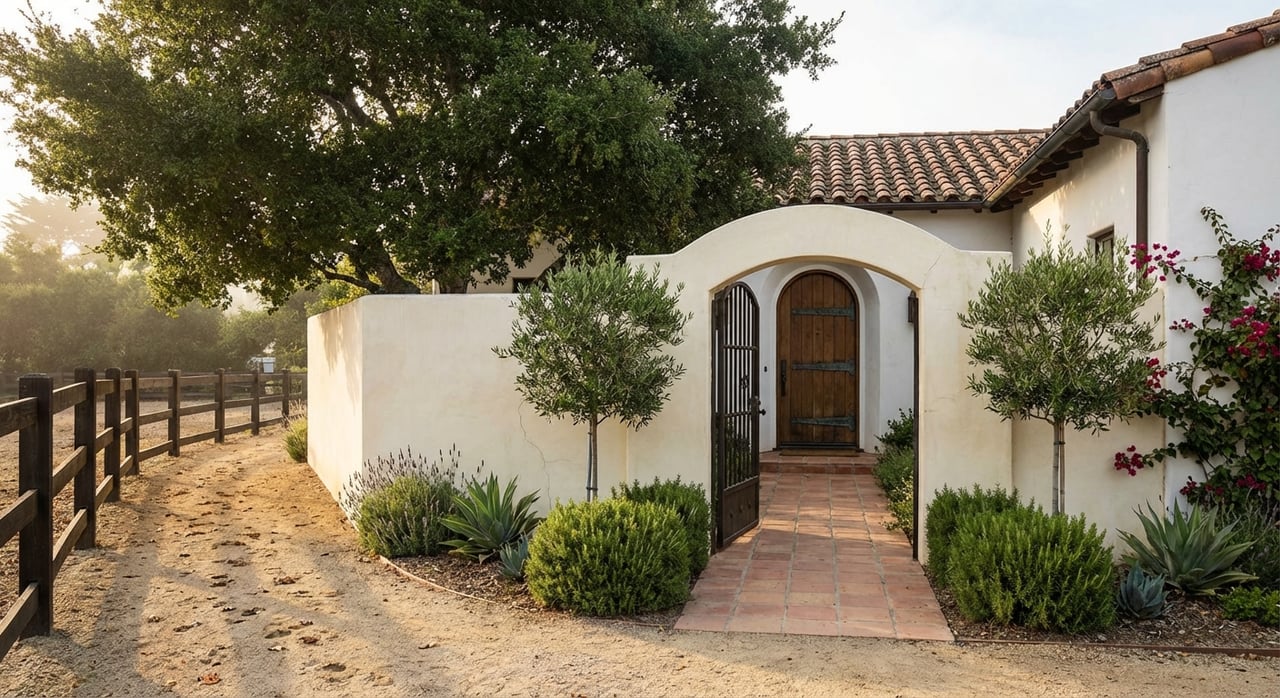
The area covers roughly 1,800 to 1,900 acres with about 700 to 775 parcels. That limited parcel count helps explain slow turnover and the consistent scarcity of listings. Most homes are single‑family estates on large lots with mature landscaping. You will find one‑story ranch homes, Spanish Colonial Revival, mid‑century, and newer custom builds, from inland equestrian properties to rare bluff or oceanfront compounds.
How Hope Ranch is managed
Buying in Hope Ranch means understanding a layered governance structure. The county sets laws and provides public services, while local associations maintain many day‑to‑day features and set rules that shape the lifestyle.
Associations and fees
Hope Ranch has homeowners’ associations and sub‑associations that typically oversee architectural review, private road and bridle path maintenance, private beach facilities, and a community patrol. Ownership commonly carries automatic membership. Start at the HOA’s public site for context on community functions and contacts at hoperanch.org.
Dues and benefits vary by parcel. You will want the specific association name(s), current budgets, reserve studies, recent meeting minutes, and any special‑assessment history for the property you are considering. Do not assume one fee covers everything. Confirm voting structures, architectural rules, and recorded easements that affect your use of the property.
Security and patrol
Hope Ranch utilizes a private community patrol for neighborhood services and HOA rule enforcement. The Santa Barbara County Sheriff remains the public law‑enforcement agency for crimes and emergency response. Review the HOA’s patrol scope, typical response procedures, and contact information on the HOA staff and patrol page.
Water and wastewater
Many properties are served by La Cumbre Mutual Water Company. In 2021 to 2022, La Cumbre and the City of Santa Barbara reached a long‑term arrangement that uses recycled water for irrigation at La Cumbre Country Club and some Hope Ranch irrigation customers. If you plan extensive landscaping, ask whether the property’s irrigation is part of this program and what it means for drought rules and costs. Read about the agreement in this industry report on recycled water at La Cumbre Country Club.
Wastewater varies. Many parcels rely on on‑site septic systems. Sewer connections are not universal. Confirm the parcel’s status through the title report, county health records, and a septic inspection if applicable. If there is a septic system, request documentation for the system and any leach‑field work.
Wildfire readiness
Hope Ranch participates in Firewise USA and shares evacuation maps, landscaping guidance, and a wildfire action plan with residents. Insurance availability and cost can be influenced by vegetation management and defensible‑space compliance. Review the HOA’s Firewise resources and community wildfire plan and request recent inspections or brush‑clearance records for any property you are considering.
Amenities and daily life
Hope Ranch is known for its relaxed coastal setting and outdoor lifestyle. Key amenities shape both day‑to‑day living and property value.
Beach access, rights, and realities
Hope Ranch operates a resident‑access beach with a gated entrance at Las Olas Drive, plus seasonal staff, bathhouses, and lockers. This setup creates a quiet, resident‑oriented environment that many buyers prioritize. For a practical description of on‑site features, see the local overview of Hope Ranch Beach.
It is important to understand California’s public‑trust doctrine. The public generally retains access to the intertidal zone up to the mean high‑tide line, and state policy requires protection of existing public access. In practice, the beach functions as a residents’ facility because it is difficult to reach from public streets, yet the wet sand remains public. For context on coastal access principles, review the California Coastal Commission’s guidance.
Equestrian trails and horse keeping
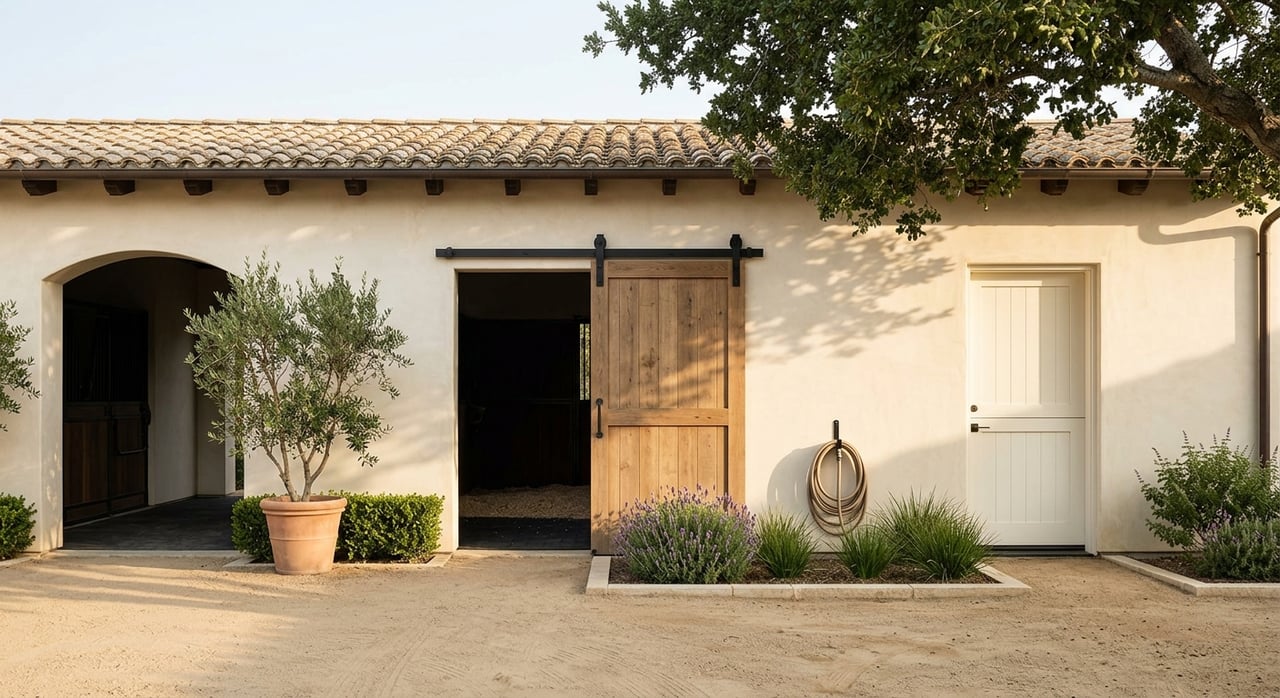
Hope Ranch is widely known for a large private bridle‑path network, commonly reported as roughly 22 to 27 miles of interlocking trails. If you plan to keep horses, verify barn permits, number of animals allowed, setbacks, and manure management rules. Confirm whether your parcel benefits from recorded trail easements or permissive access.
Clubs and schools nearby
La Cumbre Country Club is the area’s primary private golf and social club. Its irrigation uses recycled water under the long‑term agreement noted above. Laguna Blanca School, a private K to 12 institution, maintains a campus nearby. If schools or club membership matter to you, plan to confirm zones, admission processes, and any waitlists directly with the institutions.
Market snapshot and pace
Hope Ranch is a luxury enclave with a small, diversified set of properties. Aggregated market trackers in 2025 have shown neighborhood median sale prices ranging from roughly 4 million to 8 million in different monthly snapshots. Oceanfront and bluff properties often trade far above the neighborhood median. With only a few hundred parcels, inventory is usually thin, which can make sales data volatile and timing important.
In periods of low supply, you may see fewer active listings at once, wider variation in list‑to‑sale outcomes, and larger effects from singular high‑value closings. Plan to watch new inventory closely, expand your search to include off‑market opportunities when possible, and be prepared to move decisively once you find the right fit.
Buyer due‑diligence checklist
Use this list to focus your questions and document requests. Every parcel is unique, so confirm details for the home you are considering.
- HOA membership and scope: Identify all association names that govern the parcel and what each covers. Request current dues, budgets, reserve studies, recent minutes, and any special‑assessment history. Start with the HOA’s public site to orient your questions.
- Governing documents: Ask for CC&Rs, bylaws, rules and regulations, architectural review guidelines, private road maintenance agreements, and recorded easements. Confirm how voting rights work and whether any rights are weighted by acreage.
- Beach access and guest policies: Request current rules for beach keycards, guest limits, use of lockers, and any restrictions on gatherings or commercial activity. For a plain‑language overview of the beach facility, scan this Hope Ranch Beach summary. Remember that the intertidal area up to mean high‑tide line remains public under California law, as outlined by the Coastal Commission.
- Water and irrigation: Confirm whether potable and irrigation water are served by La Cumbre Mutual Water Company or a private well. If irrigation ties into recycled water, ask for program details and costs. See the recycled water agreement context.
- Sewer or septic: Verify the property’s wastewater system. If septic, order a septic inspection and request any permits and recent leach‑field work documentation.
- Equestrian specifics: If you plan to keep horses, ask about permitted barn size, number of animals allowed, setbacks, manure management requirements, and the status of any trail easements that touch the parcel.
- Roads and access: Determine whether the home sits on a public or private HOA road, whether there are gate codes or key systems, and what you must contribute to road maintenance. Ask about service deliveries and construction staging rules if you plan renovations.
- Wildfire and insurance: Request the HOA evacuation map, recent brush‑clearance records, and any Firewise inspections or reports. Review the HOA’s Firewise program. Ask your insurance advisor for quotes early since carriers may price wildfire exposure differently.
- Utilities and telecom: Confirm electrical, gas, and internet providers, plus any limitations on future expansions that matter to your plans, such as a larger barn or driveway.
- Schools and clubs: If schools or private‑club membership are priorities, contact the institutions directly to confirm options, zones, or membership processes.
Hope Ranch vs nearby options
You may be weighing Hope Ranch against other premium Santa Barbara areas. Here are straightforward differences to frame your search.
Montecito: A neighboring luxury market with a larger pool of estates and notable historic architecture. Buyer demand is strong and often very visible. Many clients compare Montecito’s social energy and larger estate options with Hope Ranch’s equestrian network, resident‑access beach, and smaller parcel count. Relative pricing can shift by month and by property type, so use current data for time‑sensitive decisions.
Riviera, Eastside, and Mesa: These city neighborhoods sit closer to downtown services and daily conveniences. Lots are generally smaller and homes sit closer together compared with Hope Ranch. Buyers who choose Hope Ranch usually prioritize lot size, equestrian access, and the resident‑oriented beach over walkable cafés and urban proximity.
Smart strategy for your purchase
- Begin with clarity: Define your non‑negotiables, such as equestrian facilities, ocean views, beach convenience, or privacy thresholds.
- Align budget with ongoing costs: Model HOA dues, irrigation and water costs, landscape maintenance, insurance, and any septic servicing.
- Vet infrastructure early: Order septic and sewer confirmations, water provider details, and brush‑clearance records during diligence, not at the last minute.
- Plan for renovations: Ask the HOA about architectural review timelines and limits on exterior changes, fencing, barns, and driveways.
- Think seasonally: Visit at different times of day and year to understand traffic, breezes, and beach use patterns.
- Use a local team: Engage inspectors and advisors who know Hope Ranch’s specific rules, water providers, and wildfire practices.
Ready to explore homes that reflect your values and lifestyle in Hope Ranch? Connect for a calm, concierge process that begins with your vision and ends with a confident purchase. Live Your Vision. Start the Conversation with Monica Lenches.
FAQs
What is Hope Ranch and where is it?
- Hope Ranch is an upscale, largely residential enclave on the Santa Barbara coast, located in unincorporated Santa Barbara County just west of the City of Santa Barbara. See background on Wikipedia.
How private is Hope Ranch Beach for residents?
- The community operates a resident‑access beach with a gated entrance and facilities, while the intertidal wet sand generally remains public under California’s coastal access laws. See the Coastal Commission’s guidance and a practical beach overview.
Who provides security and law enforcement in Hope Ranch?
- A private community patrol handles neighborhood services and HOA rules. The Santa Barbara County Sheriff is the public law‑enforcement agency for crimes and emergencies. Patrol details appear on the HOA staff page.
Do most Hope Ranch homes use septic systems or sewer?
- Many parcels use on‑site septic systems and sewer connections are not universal. Confirm the exact status for your property through title, county health records, and a dedicated septic inspection.
How do HOAs work in Hope Ranch and what do they cover?
- Associations commonly oversee architectural review, private roads and bridle paths, beach facilities, and community patrol. Fees and benefits vary by parcel, so request budgets, reserve studies, minutes, and rules from the HOA.
Is Hope Ranch a good fit for keeping horses?
- Yes, many parcels allow horses and the community is known for its extensive private bridle‑path network. Confirm permits, setbacks, the number of animals allowed, and whether your parcel has recorded trail easements.
What price range should I expect when buying in Hope Ranch?
- Market trackers in 2025 have shown neighborhood median sale prices ranging roughly from 4 million to 8 million, with oceanfront and bluff properties trading higher. Actual values vary by month and property type.