
ROOTED IN PREVENTION:
Building a Healthier Santa Barbara County Together
I first met Beth Skidmore on LinkedIn, after reading one of her articles... and then another, and another. Impressed by the quality of her content, I dug deeper into her work, and what I found deeply inspired me. She had me at "Food is Medicine."
I'd discovered this idea myself six years earlier, at Grail Springs, a wellness retreat in Canada with the most delicious plant-based food I'd ever tasted. It changed the way I view and consume food — so much so that I photographed their blackboard, which read "Food As Medicine," and later framed it as a daily reminder of food's power to heal.
Eager to learn more, I reached out to Beth about her work as executive director of Rooted, a local organization that brings nutrition education and prevention into the places our neighbors live, learn, work, and receive care. Our alignment on that first Zoom call was immediate, and I knew I wanted to share the impact Rooted is making in our community.
I hope you, too, feel inspired to learn more about "Food is Medicine."
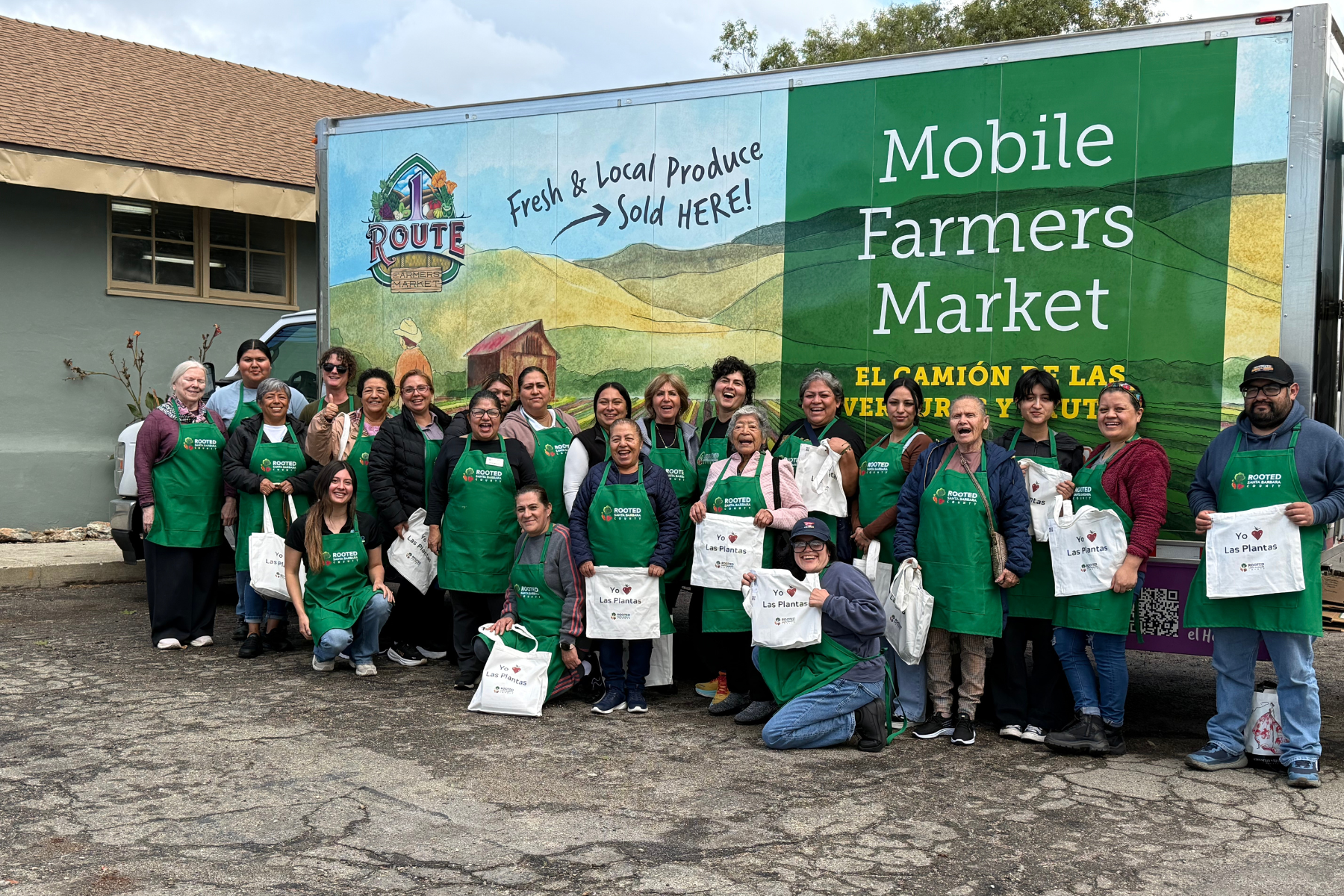
ML: Tell us about Rooted and what need is your organization addressing?
BS: Rooted Santa Barbara County is a nonprofit making good health more accessible—regardless of where someone lives, what language they speak, or whether they can afford specialized support.
Chronic diseases remain among our county's greatest health challenges, while economic disparities make prevention more difficult for many families. The Foodbank of Santa Barbara County reports that Santa Barbara County has the second-highest poverty rate in California, underscoring the barriers many families face in accessing healthy food and other resources that support health.
Yet many chronic diseases may be prevented, delayed, or improved with the right nutrition and lifestyle support. The 2025 Santa Barbara County Community Health Needs Assessment identifies prevention, nutrition, food security, and healthcare-community partnerships as key priorities.
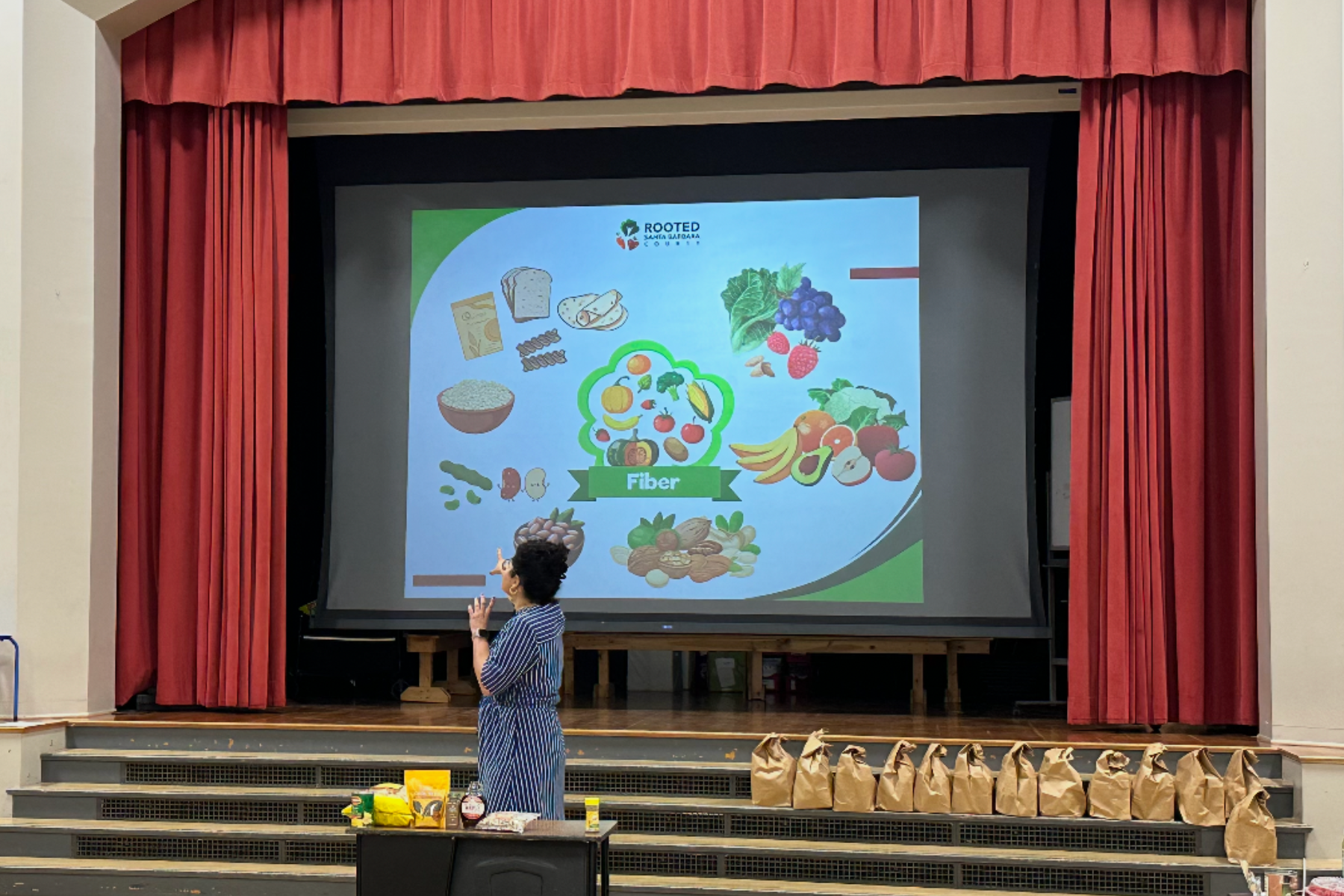
Rooted helps neighbors put food as medicine into practice through bilingual nutrition education, workforce training, and community partnerships that bring nutrition and lifestyle medicine into trusted community settings.
ML: What is your organization's mission and values?
BS: Our mission is to partner with individuals, families, and care teams to make food as medicine, food literacy, and evidence-based nutrition part of everyday life—so our whole community can Eat to Thrive.
Our work is guided by four core values: advancing health equity by meeting people where they are; creating positive food experiences that focus on what people can add rather than take away; fostering learning, connection, and confidence through food literacy; and collaborating across healthcare, education, and community organizations because lasting change happens together.
ML: Give us a couple of examples of how you put your values into action?
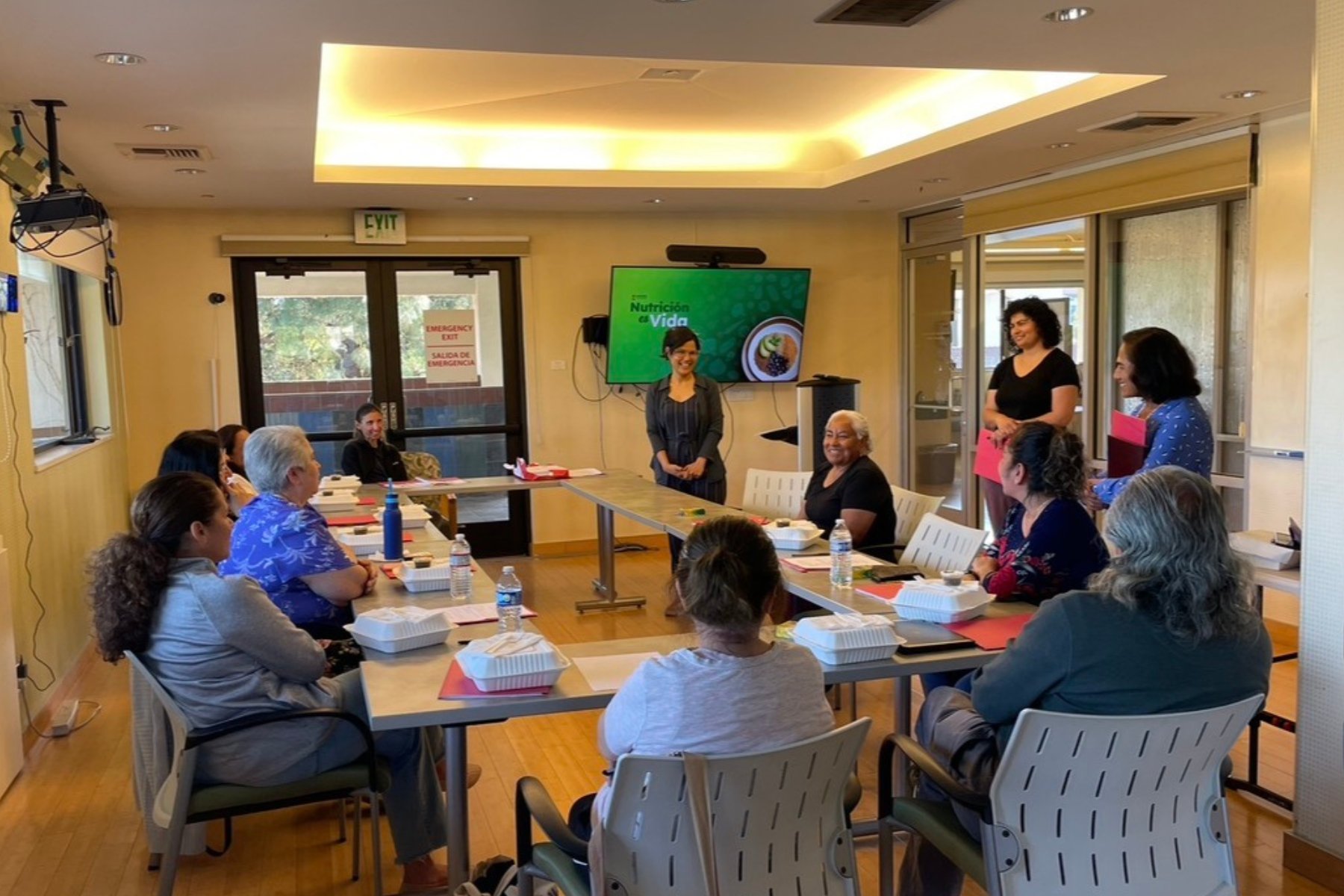
BS: We advance health equity by meeting people where they are. It shapes how we design and deliver programs while reducing barriers through free, culturally relevant education.
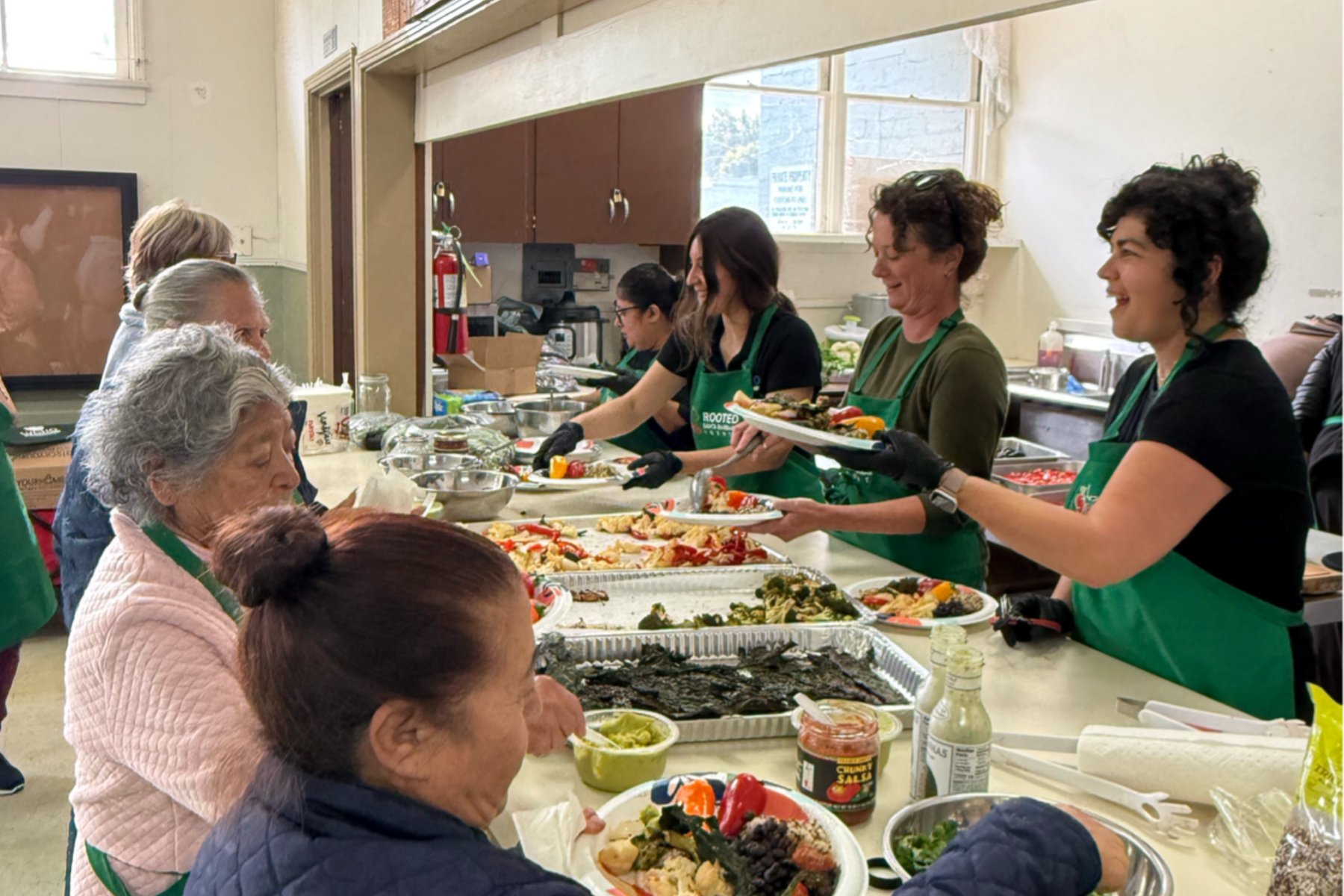
At Ridley-Tree Cancer Center, we support cancer survivors and caregivers with nutrition education for prevention and survivorship. At Harding University Partnership School, we offer culturally relevant nutrition and cooking classes for Spanish-speaking families, paired with childcare and fresh produce from the Foodbank. At the Santa Barbara Public Library, our bilingual, multigenerational programs build food literacy through practical skills, shared meals, and positive food experiences that celebrate culture and what people can add. Through our partnership with the Foodbank, Cafecito Connect brings bilingual, culturally relevant nutrition education to community members virtually, helping reduce barriers to participation.
Education and connection are central to our work. We consistently see increased nutrition knowledge, confidence, and healthy behavior change, with participants sharing what they learn with others—creating a ripple effect beyond the classroom.
Collaboration allows that impact to grow. We partner with healthcare providers, community health workers, educators, and direct-service organizations, equipping them with practical nutrition and lifestyle tools they can apply personally and share with the communities they serve.
ML: What do collaborative partnerships look like in practice?
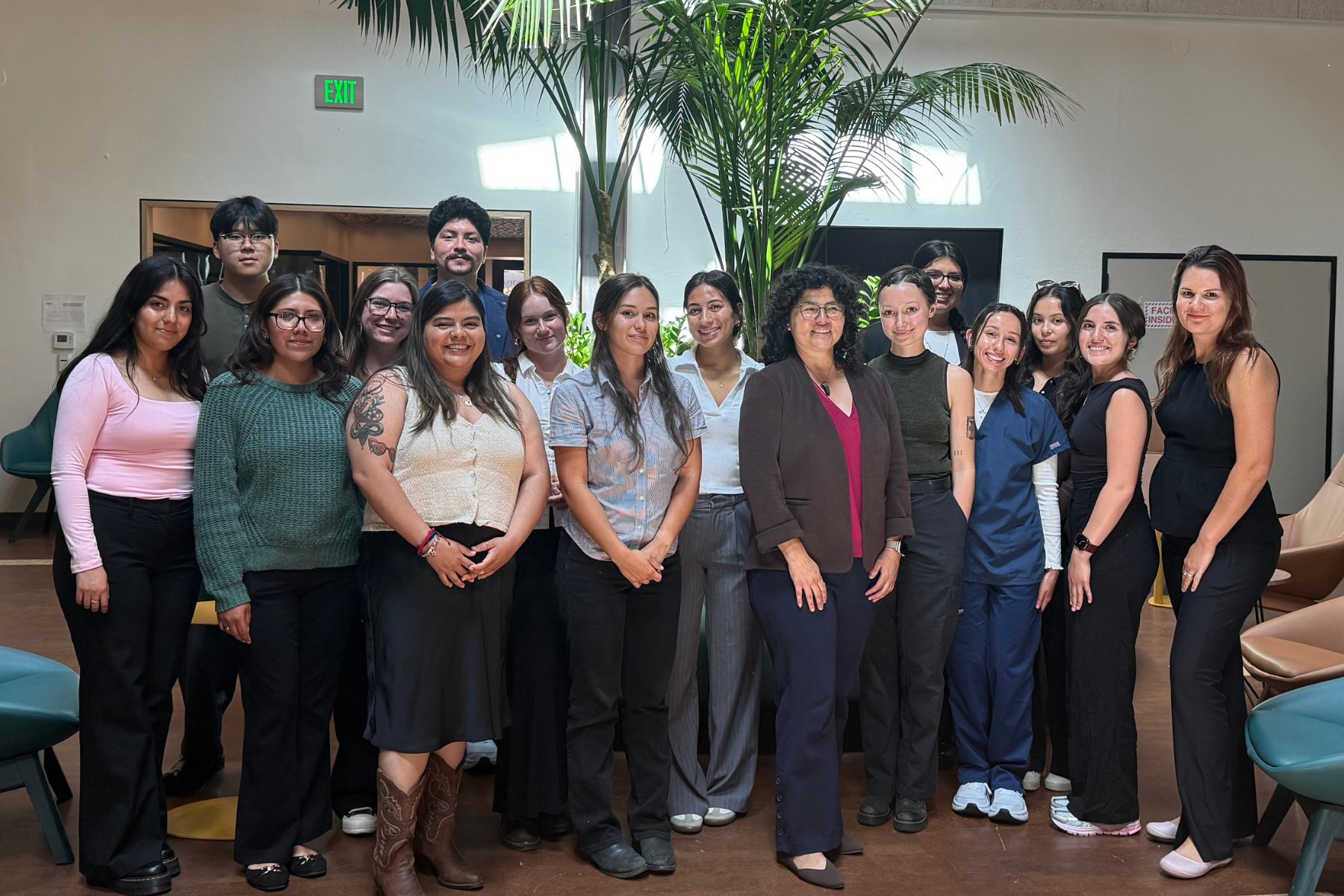
BS: Lasting health happens across healthcare, schools, community centers, food access organizations, workplaces, and neighborhoods.
We partner with healthcare providers, educators, libraries, food access organizations, community health workers, and other local organizations to bring evidence-based nutrition education into trusted community settings. Together, we tailor programs to each community's needs and strengths. Rooted provides curriculum, training, nutrition expertise, and joyful learning experiences, while our partners build trust, expand access, and connect participants with additional resources and support.
Together, we're strengthening Santa Barbara County's prevention infrastructure by connecting education, healthy food, healthcare, and community support so healthier choices become easier and more accessible.
ML: Why is health education more important now than ever?
BS: Our health is everything. Its effects reach beyond physical health—affecting quality of life, relationships, our ability to work, care for family, and contribute to our communities.
With chronic disease affecting so many families, rising medical expenses, and uncertainty around healthcare access, we can't afford to focus only on treating disease after it develops. Our community also needs practical knowledge and support to protect health before lifestyle-associated conditions become more serious and costly.
But education alone isn't enough. Health is shaped by access. Rooted connects people to resources like the Foodbank, neighborhood stores, food tastings, and hands-on experiences while sharing simple ways to enjoy affordable, fiber-rich meals. We work within people's culture, budget, and daily lives so what they learn feels realistic and achievable.
ML: How can our community invest in the work you're doing?
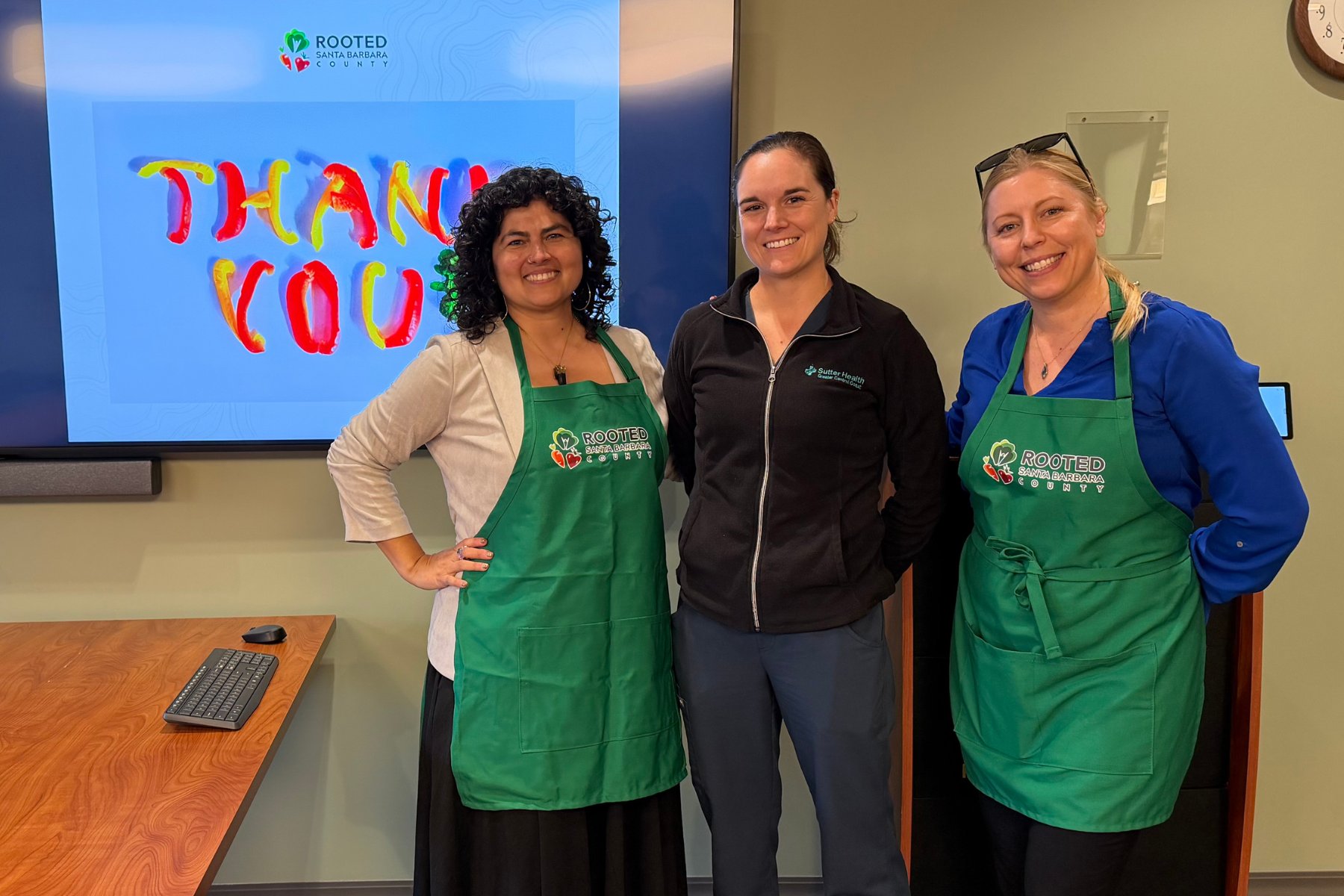
BS: Building a healthier community takes all of us. You can invest by learning with us, sharing our work, connecting us with organizations that want to improve community health, volunteering, or supporting our work philanthropically.
As demand grows, we're investing in the staff, infrastructure, and partnerships needed to reach more people. Every introduction, conversation, and gift helps create a ripple effect beyond any one program.
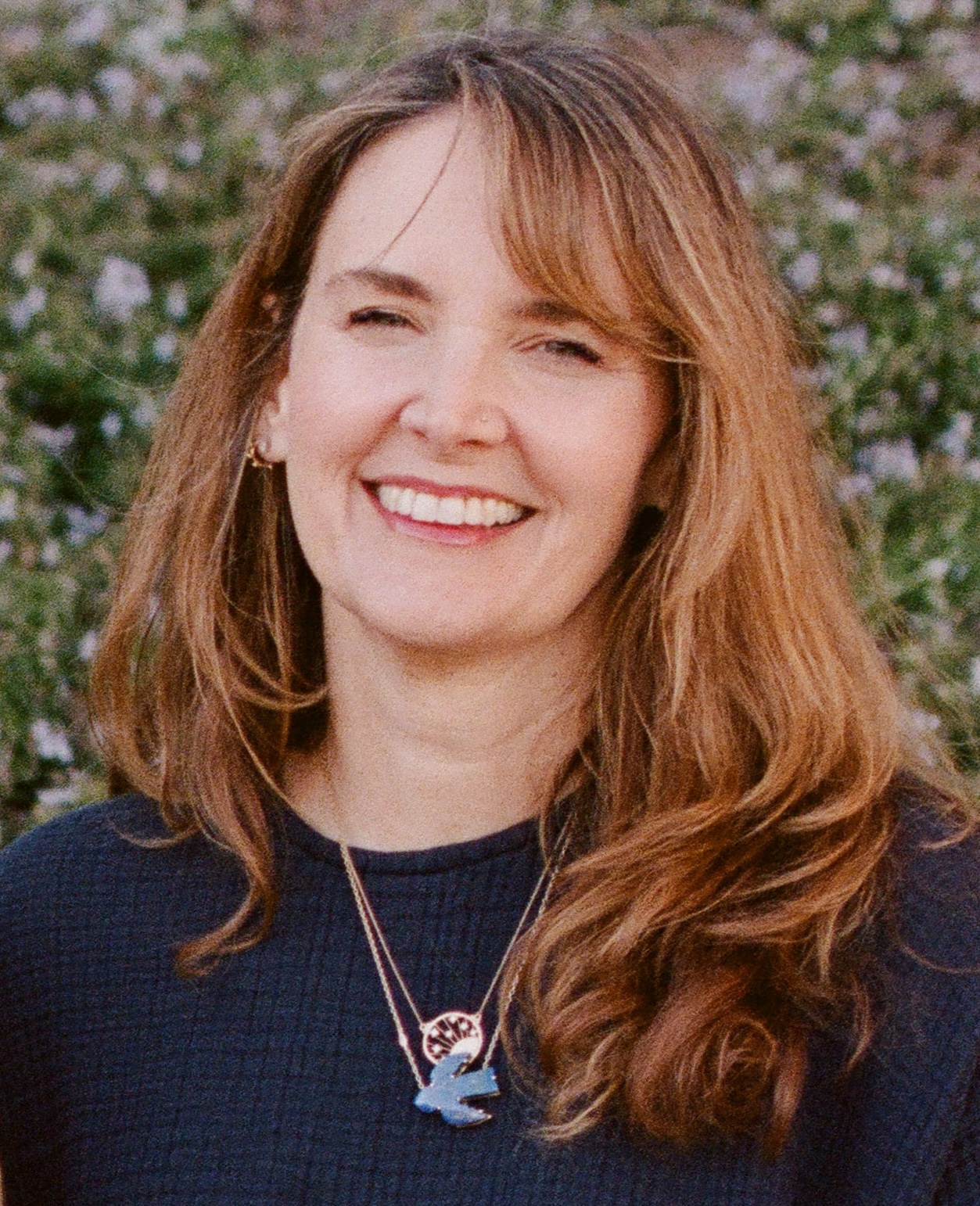
Learn more, partner with us, or support Rooted Santa Barbara County at RootedSantaBarbara.org. Connect with us on Instagram @rootedsantabarbara, Facebook, LinkedIn, or contact Beth Skidmore at [email protected]