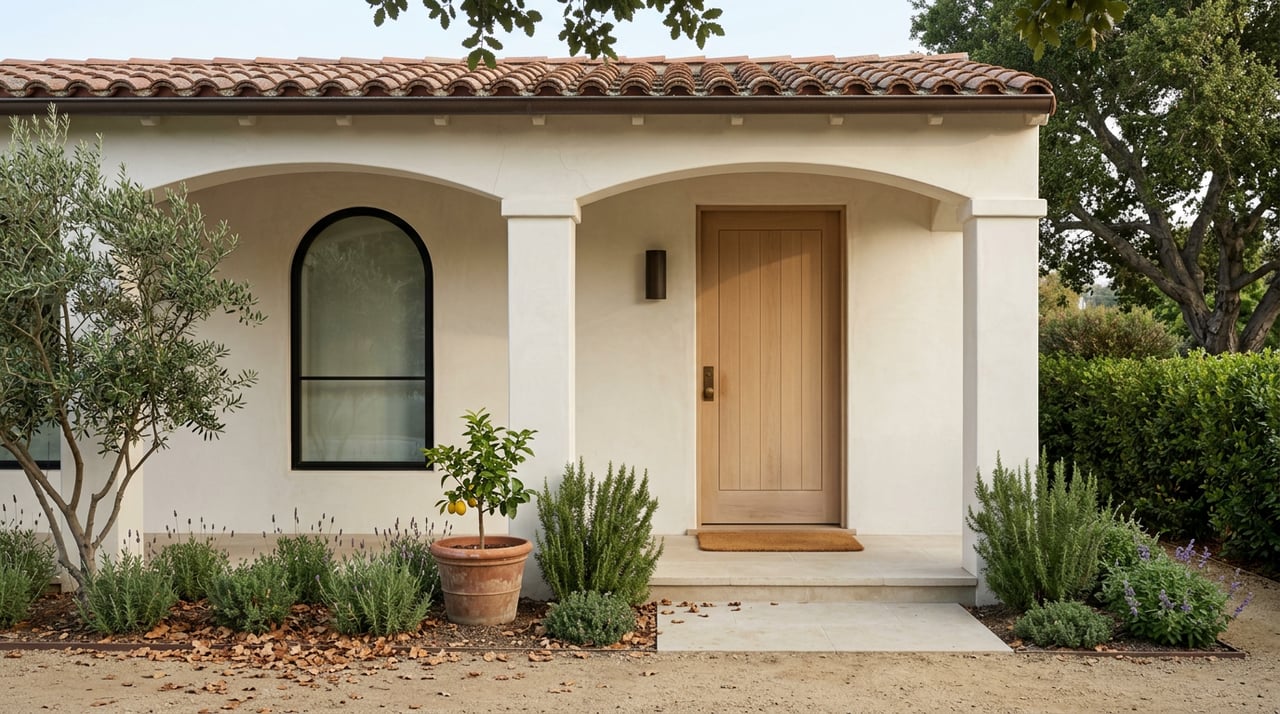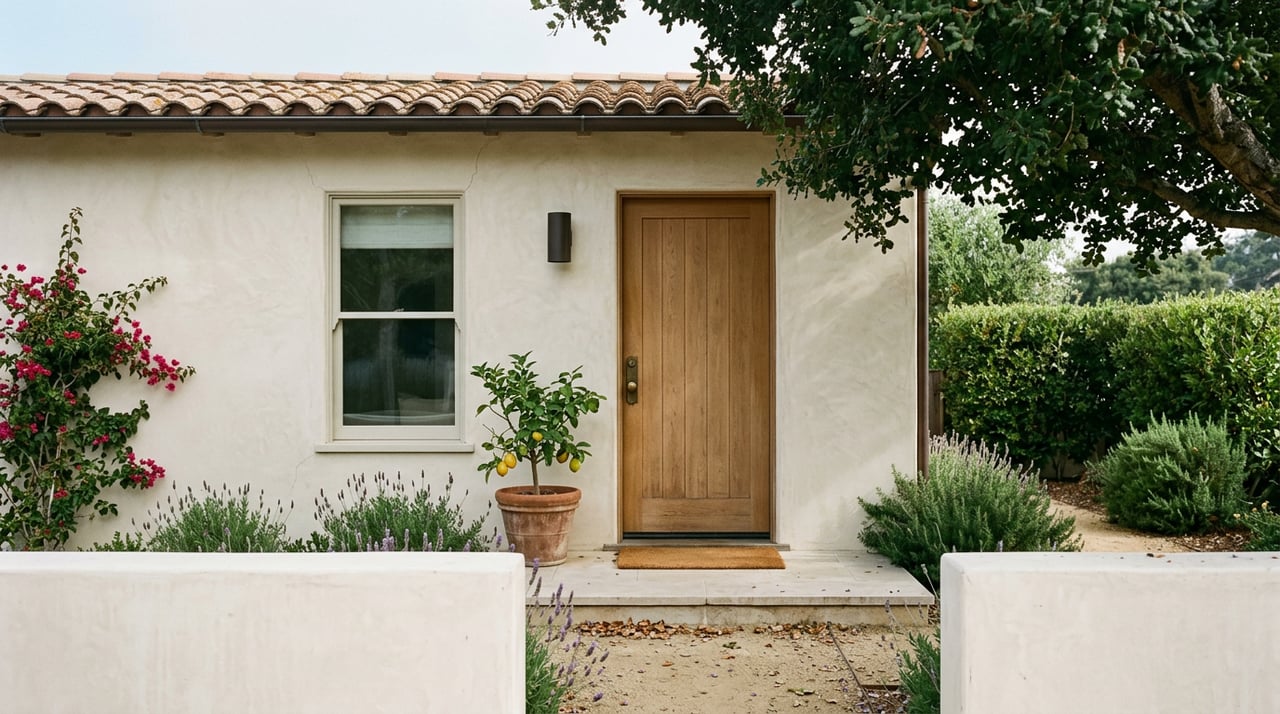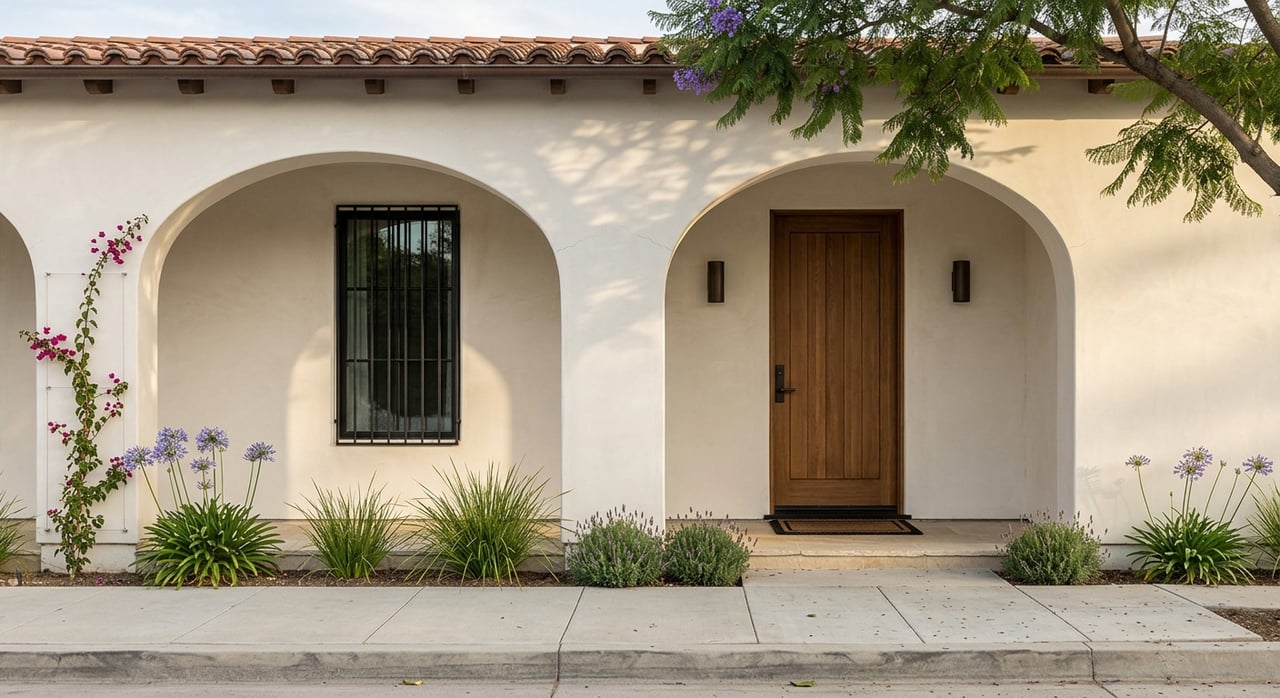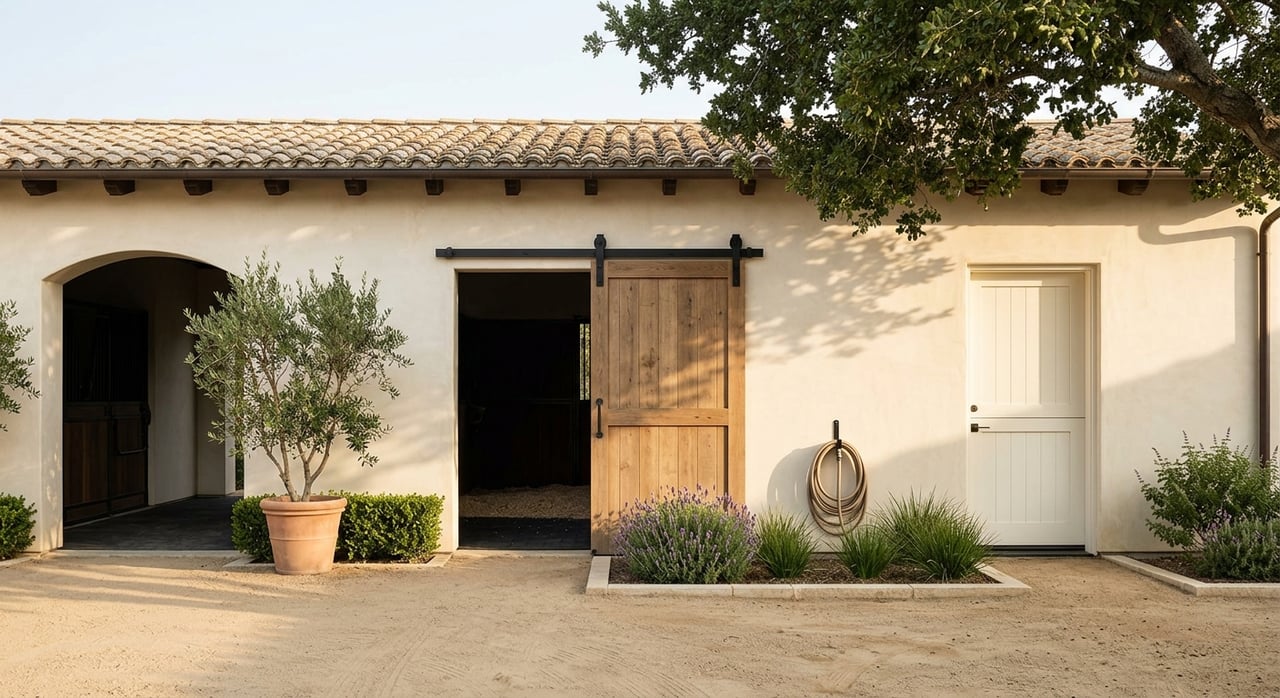
If you are dreaming about a horse property in Hope Ranch, it helps to know that great equestrian design is about much more than adding a barn and a few stalls. In this community, the best properties balance horse use, privacy, circulation, landscape character, and careful planning from the start. When you understand how Hope Ranch works, you can create a property that feels both beautiful and practical. Let’s dive in.
Why Hope Ranch design is different
Hope Ranch has long been shaped by an equestrian lifestyle. The community’s history notes that roads, utilities, and bridle trails were laid out beginning in the 1920s, and today the neighborhood includes 773 lots across 1,863 acres. That history still shows up in how properties are planned and improved today.
This is also not a place where design decisions happen in isolation. The Hope Ranch Association reviews building design, landscaping plans, and other improvements to help preserve rural character, privacy, views, and site-sensitive grading and drainage. Santa Barbara County also has its own permit process, so equestrian planning in Hope Ranch is always a layered process.
Start with the real design brief
Before you think about a barn layout or arena footing, it helps to define what you want the property to do for you. Are you planning simple private horse keeping for daily riding? Do you want easy trailer access for guests and trainers? Are you trying to make the site elegant, low-maintenance, and resilient at the same time?
In Hope Ranch, those questions matter because horse use is allowed for noncommercial residential purposes, but the details are regulated. The Hope Ranch rule book says that on most lots, horses are limited to 2.178 per acre, with no more than five horses on any lot, except where the Laguna Blanca Declaration applies. County guidance for common residential zoning is different, so the stricter applicable rule is the one that controls.
Plan for horse limits early
One of the first steps is confirming what your specific parcel can support. A buyer or owner may assume acreage alone answers that question, but recorded restrictions and county zoning both matter. That is why early due diligence is essential before you commit to a site plan.
This matters not only for the number of horses, but also for how much infrastructure makes sense. If your parcel supports a modest private setup, the design should reflect that reality rather than overbuilding. A well-scaled plan usually performs better with approvals, maintenance, and long-term enjoyment.
Make trail access part of the layout
Hope Ranch’s equestrian appeal is closely tied to its bridle trail system, so site design should support how you actually move between your property and the trails. Guest use of the bridle trails is by invitation only and generally requires accompaniment by the host member, while registered trainers may ride without the member present. If guests trailer horses into the Ranch, the rule book says trailers are expected to park on the host member’s property.
That makes driveway geometry and parking more important than many buyers first realize. You may want enough room for a trailer to turn in and out cleanly without disrupting everyday household use. Gate placement, sightlines, and the route from stable area to trail access should feel safe, simple, and easy to manage.
Separate horse and household circulation
One of the smartest design choices is separating horse movement from guest parking, service access, and daily residential traffic. This can reduce stress for both people and animals while helping the property feel orderly. It also supports safer use in a community where roads are shared with pedestrians and riders and the private road system emphasizes a 25 mph speed limit.
A practical layout often includes:
- A dedicated trailer parking area on the property
- A clear turn radius for trucks and trailers
- A service zone for feed delivery and farrier visits
- Direct movement between stalls, turnout, and trail access
- Enough hardscape to avoid rutting in soft ground
Treat barns and arenas as full site projects
In Hope Ranch, a barn or arena is never just a stand-alone feature. Exterior construction or renovation generally requires Association review, and county permits may also apply. If your project includes grading, excavation, fill, retaining walls, or drainage work, Santa Barbara County rules may trigger additional review.
This is especially important because Hope Ranch residential development is within the coastal zone framework described in the county procedures referenced in the research. In practical terms, barn pads, arenas, drive aisles, and drainage shaping should all be checked early. It is much easier to refine a concept at the planning stage than to revise a project later.
Keep the use private and clearly defined
For most homeowners, the goal is private accessory horse keeping. That distinction matters. If a project shifts toward boarding, public lessons, or another public-facing riding operation, the county points to a different permit path for equestrian facilities and horseback riding operations.
A clear design brief helps avoid confusion. If the property is meant for your personal use, the improvements should support that private residential purpose from the outset.
Design service areas with care
On a refined equestrian property, the hidden systems often matter just as much as the visible ones. Manure handling, wash-water management, and clean service circulation can determine whether the property feels polished or constantly difficult to manage. In Hope Ranch, horses and other domestic animals must not become a nuisance, and on-site composting is allowed only if a permit has been issued for the location and construction of the compost facility.
That means these features deserve real planning:
- A screened manure area
- A practical cleanout route
- Drainage that directs runoff away from neighboring properties and sensitive areas
- A wash area with an impervious floor and drainage to an approved area
When these systems are designed well, the property works more smoothly day to day. It also tends to look better because functional needs are resolved quietly in the background.
Use landscape design to support the ranch character
Hope Ranch is known for its rural and scenic character, and the Association’s building guidelines emphasize compatibility with topography, surrounding properties, privacy, and views. For an equestrian parcel, that usually means landscape design should support the site rather than compete with it. Clean lines, durable materials, and restrained planting often fit best.
A low-profile landscape strategy can also make horse areas easier to maintain. Drought-tolerant planting, thoughtful screening, and open spacing can help preserve the visual calm that many buyers value in Hope Ranch. The goal is not to make the site feel empty, but to make it feel composed.
Avoid dense, high-fuel planting near structures
Fire resilience should be part of the landscape plan from day one. Santa Barbara County Fire describes defensible space as the area around structures where flammable vegetation is modified to reduce ignition potential, and the county guidance calls for 100 feet of clearance or to the property line, whichever is closer. Inspections also consider vegetation, structure materials, fire department access, address visibility, and water supply.
CAL FIRE guidance supports a layered approach, with a noncombustible or low-combustible zone close to structures and increasingly managed planting farther out. Near homes and barns, materials like gravel, pavers, or concrete can be especially useful. This kind of planning can help the property feel elegant while also improving resilience.
Think beyond the house for fire safety
On an equestrian property, fire hardening should extend to barns, access routes, and support areas. Barn roofs, vents, and exterior materials matter, but so do driveway width, turnaround space, visible addressing, and water access if required by the site plan. A property that works well for horses should also work well for emergency responders.
This is one more reason why circulation planning matters so much in Hope Ranch. A driveway that feels generous and logical is not just a luxury feature. It can also support safer access for service providers and fire personnel.
Respect the community framework
Hope Ranch offers a rare mix of privacy, open space, and equestrian access, but that lifestyle comes with shared rules. Some bridle trails are horse-only, motor vehicles are not allowed on bridle trails except for maintenance or emergencies, and seasonal beach-use rules affect where horses may pass from Memorial Day weekend through September 30. These details shape how owners and guests use the community.
For you, that means the most successful equestrian property is one that works well within the larger framework. It should support horses gracefully while also respecting shared circulation, privacy, and the visual standards that help define Hope Ranch itself.
A thoughtful property can feel effortless
The best equestrian properties in Hope Ranch often look calm and simple on the surface. What makes them exceptional is the planning underneath: the right number of horses for the parcel, smooth trailer access, well-placed service areas, site-sensitive grading, careful drainage, and landscape choices that fit both the setting and fire-safety goals. When those pieces are aligned, the property can feel effortless to own and enjoy.
If you are exploring Hope Ranch with horses in mind, it helps to think about the property not just as real estate, but as a long-term lifestyle design project. For tailored guidance on Hope Ranch properties and a concierge approach to evaluating what is truly possible on a site, connect with Monica Lenches.
FAQs
Can a Hope Ranch property legally support horses?
- Usually yes for noncommercial residential use, but the actual number depends on lot size, recorded restrictions, and county zoning, with the stricter applicable rule controlling.
Do Hope Ranch barn or arena improvements need approval?
- In many cases, yes. Exterior work generally requires Hope Ranch Association review, and county permits may also be required depending on the project.
Why is trailer parking so important on a Hope Ranch horse property?
- The Hope Ranch rule book says guest horse trailers are expected to park on the host member’s property, so on-site space and turning geometry are important design features.
What should a Hope Ranch owner plan besides stalls and turnout?
- Service circulation, manure handling, wash-water drainage, grading, and defensible space are all important parts of a workable equestrian design.
How does fire planning affect a Hope Ranch equestrian property?
- Fire planning can influence landscape layout, vegetation management, access routes, address visibility, and the design of areas around both the house and barn structures.